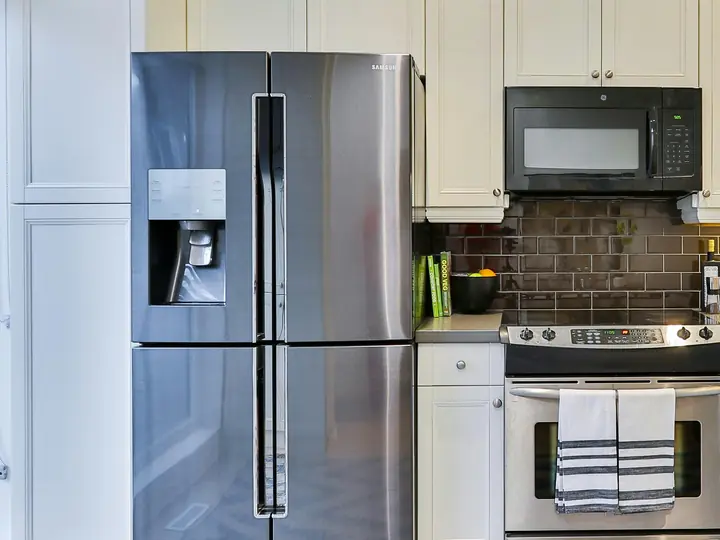
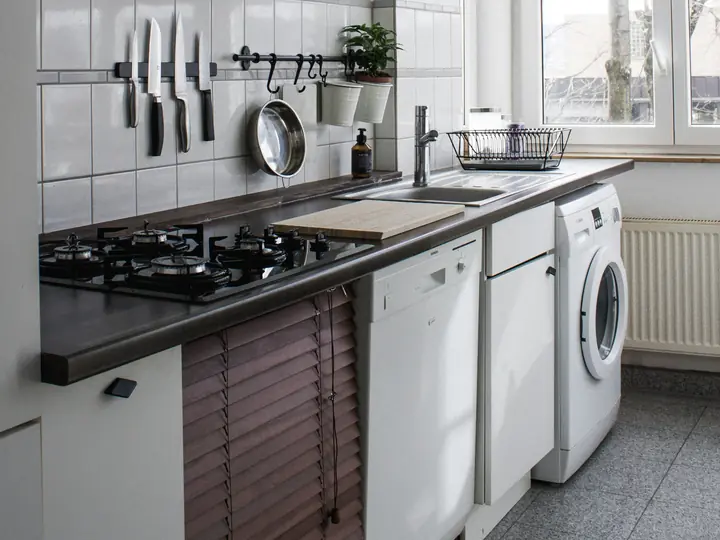
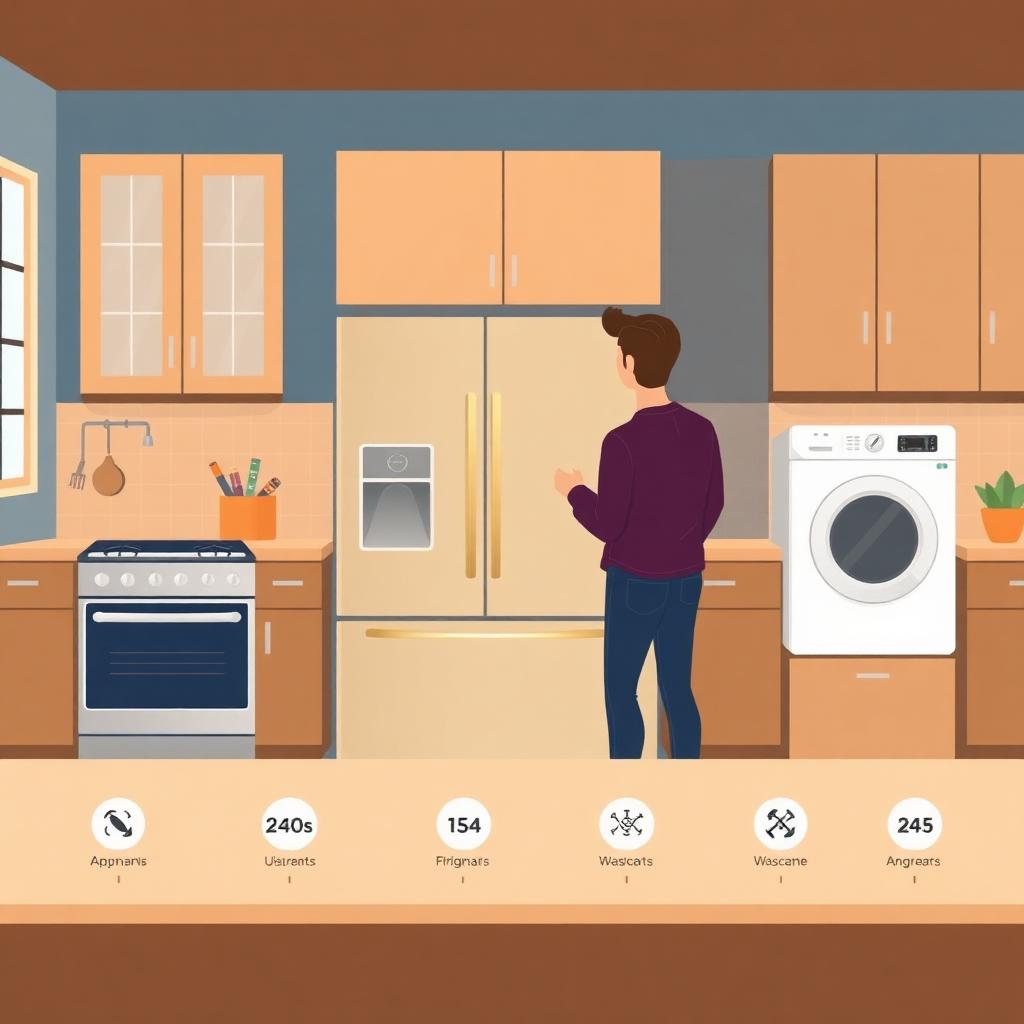
The classic guideline is the 50% rule: if a repair costs more than half the price of a comparable new appliance — and the unit is past the halfway point of its expected lifespan — replacement is usually the smarter financial move. Refrigerators last roughly 10–15 years, dishwashers 8–12, washers 8–12, dryers 10–15, and ranges 13–20. A $400 control-board repair on a 4-year-old dishwasher is almost always worth it. The same repair on a 10-year-old unit almost never is.
Lifespan is only one input. Also weigh repair history (multiple failures in a short window signal broader wear), parts availability (older or discontinued models can become unrepairable overnight), warranty coverage (an active home warranty can turn a replacement decision into a $100 out-of-pocket repair), and energy efficiency (newer appliances often pay back part of their cost in lower utility bills).
The guides in this category work through the math appliance by appliance — refrigerator, dishwasher, washer, dryer, oven — so you can plug in your own numbers and get a decision that's grounded in real cost and expected life, not sales pressure.
 Most appliance repairs$100–$450