Should You Repair or Replace a Refrigerator?
Written by
Editorial Team
Research and editorial staff
Dates
Last updated
What changed: Expanded the decision guide beyond 1,000 words without unsupported fixed prices, lifespan rules, energy savings, warranty promises, or automatic age and percentage thresholds.
Checked by our editors.How we estimate repair costsEditorial policy
Sources
- ENERGY STAR refrigerators — ENERGY STAR
- Food safety during power outages — FoodSafety.gov
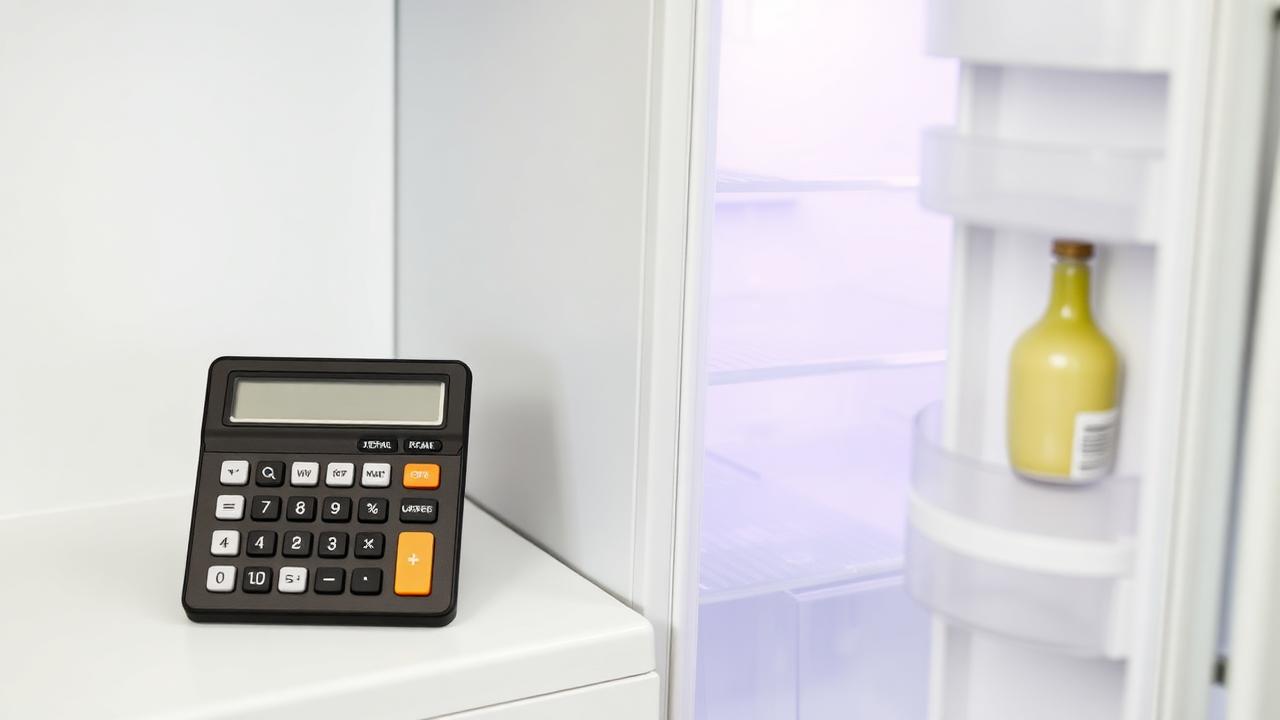
A refrigerator repair-or-replace decision can feel urgent because food safety and daily use are involved. Still, a generic age threshold, fixed repair price, or percentage rule is not enough. Similar cooling symptoms can involve airflow, controls, fans, defrost, doors, sensors, compressor operation, refrigerant, installation, or room conditions.
Start with food safety and qualified diagnosis, then compare complete repair with complete installed replacement for the exact refrigerator and home.
Protect food first
Keep refrigerator and freezer doors closed while evaluating a cooling failure. Follow current public food-safety guidance for time and temperature; do not taste food to determine whether it is safe.
Use a reliable thermometer where practical. Arrange safe temporary storage if needed. Food replacement and appliance repair may be treated differently by insurance, warranty, or other benefits.
Address electrical and leak hazards
Stop using the refrigerator for smoke, burning odor, arcing, damaged wiring, repeated breaker trips, or water near electrical components. Disconnect power only when safe.
If a water line is leaking, close its accessible shutoff when safe and mitigate damage. Do not perform sealed-system or internal electrical work without suitable qualifications.
Identify the exact refrigerator
Record:
- Manufacturer
- Complete model and serial number
- Configuration and capacity
- Freestanding, built-in, integrated, or column design
- Installation location
- Purchase date or approximate age
- Symptoms and error codes
- Temperature observations
- Prior repairs
- Existing warranties or service contracts
Photograph the rating label and installation. Closely related models can use different components.
Get a written diagnosis
Ask the technician to identify the failed component, cause, test evidence, required repair, refrigerant work, related damage, parts status, safety concern, and repair warranty.
A refrigerator that is warm does not automatically need a compressor. Door sealing, airflow, evaporator frost, fans, defrost, sensors, controls, ambient temperature, and power can produce similar symptoms.
Calculate complete repair cost
Include diagnosis, parts, labor, refrigerant, shipping, tax, removal, reinstallation, water-line work, built-in access, cabinet or panel handling, and post-repair testing.
Clarify whether the diagnostic charge is credited. Ask whether the root cause could damage the new component or require additional work.
Calculate complete installed replacement cost
Include the appliance, delivery, haul-away, water connection, shutoff or line replacement, electrical work, cabinet modification, custom panels, trim, flooring protection, permits, code work, and tax.
Measure the opening, doors, hallways, and delivery path. Confirm ventilation clearances, hinge swing, counter depth, water supply, and electrical requirements.
Refrigerator type changes the decision
A standard freestanding product can be easier to replace than a built-in, integrated, panel-ready, column, or specialty model. Built-in replacement may involve cabinetry, panels, hinges, trim, electrical work, and limited model choices.
A larger repair can therefore be reasonable for a specialized installation. Compare like with like rather than using a generic retail price.
Sealed-system and compressor work
Sealed-system work can involve leak diagnosis, refrigerant recovery, compressor or heat-exchanger components, evacuation, charging, and performance testing. Confirm technician qualifications and refrigerant compatibility.
Check manufacturer component coverage carefully. A long parts warranty may not include labor, diagnosis, travel, refrigerant, access, or related components.
A compressor diagnosis does not create an automatic replace decision. Compare the complete covered and uncovered scope.
Smaller component repairs
Fan motors, controls, sensors, defrost parts, switches, valves, and door components may be more contained repairs, but model, access, and parts availability still matter.
Ask whether the diagnosis identifies one isolated failure or symptoms of a broader problem. Do not assume a low-cost part means a low total bill.
Current condition
Inspect doors, seals, hinges, interior liners, shelves, drawers, controls, water and ice systems, fans, rust, wiring, and installation. One isolated repair in an otherwise sound unit differs from multiple active problems or structural damage.
Use documented condition rather than predicting future failures from age alone.
Prior repair history
List previous diagnoses, dates, parts, costs, and warranties. Distinguish recurrence of the same root cause from unrelated failures.
Repeated service can support replacement, but no fixed number applies universally. Consider whether earlier work remains under warranty.
Parts availability
Confirm exact part numbers, supplier status, lead times, and whether components are new, authorized, aftermarket, rebuilt, or used. Ask about return and repair warranties.
Long delays can affect food-storage needs. Unavailable parts can favor replacement, but authorized alternatives or rebuilding may exist.
Energy use
Use the exact model's label or official product information where available. Compare it with official data for candidate replacements and local electricity rates.
Avoid universal savings estimates. Actual use depends on configuration, condition, ambient temperature, settings, door opening, household behavior, and utility cost.
Efficiency can support replacement when other factors are close, but it rarely substitutes for a complete financial comparison.
Features and usability
Compare capacity, shelves, drawers, ice and water features, noise, controls, accessibility, door swing, finish, and fit. Separate required features from optional upgrades.
Do not count the full price of a luxury upgrade as the cost of merely restoring refrigeration.
Water and ice systems
Leaks or failures can involve household plumbing, filters, tubing, valves, ice makers, dispensers, controls, or the refrigerator itself. Determine what is included in the repair and replacement quotes.
A functioning refrigerator does not necessarily need replacement because an optional ice feature fails.
Manufacturer, retailer, and recall coverage
Check manufacturer parts and labor terms, sealed-system provisions, installer warranty, retailer protection, credit-card benefits, recall remedies, and prior repair warranties.
Use the full model and serial range. Obtain authorization before outside work when required.
Home-warranty coverage
A service contract may cover a listed refrigerator and eligible component, subject to effective date, cause, maintenance, installation, service fee, limits, exclusions, and authorization.
The administrator may select repair, replacement, reimbursement, or cash settlement. Compare the approved benefit with the complete project. Do not assume full retail replacement.
Homeowners insurance and resulting damage
The mechanical failure, spoiled food, water damage, cabinetry, flooring, and electrical damage can be evaluated separately. Insurance or another benefit may cover some losses under specific terms.
Document conditions, mitigate safely, and notify relevant providers. Do not count uncertain reimbursement as guaranteed.
Timing
Compare technician availability, diagnostic time, parts lead time, replacement stock, delivery, installation, and site work. An in-stock refrigerator may still be delayed by cabinet, panel, water, or electrical requirements.
Use safe temporary food storage rather than rushing into an unsuitable purchase.
Repair warranty
Ask who warrants parts and labor, for how long, and what happens if cooling does not stabilize or the same symptom returns. Clarify whether travel, diagnosis, or refrigerant is included.
A repair warranty reduces limited risk but does not cover unrelated future failures.
Environmental considerations
Repair can extend product life and avoid disposal, while replacement can improve standardized energy performance. Refrigerant handling, local recycling, actual efficiency, and expected continued use matter.
Neither choice is universally better environmentally.
Decision worksheet
Compare repair and replacement on:
- Safety
- Food-storage plan
- Diagnosis certainty
- Complete cost
- Existing coverage
- Parts availability
- Timing
- Current condition
- Repair warranty
- Energy use
- Installation disruption
- Features and fit
Mark unknown values and avoid treating estimates as guarantees.
Questions for the technician
- What failed and why?
- What test evidence supports the diagnosis?
- Is sealed-system work required?
- Is the part available?
- Is refrigerant and access included?
- Is another condition likely to damage the repair?
- What warranty applies?
- What is the complete repair total?
Questions for the installer
- Does the replacement fit the opening and delivery path?
- Are water, power, panels, trim, and ventilation included?
- Is cabinet or floor work required?
- Are delivery, haul-away, testing, and tax included?
- What happens if the product does not fit?
Final guidance
Repair can fit when diagnosis is clear, the refrigerator is otherwise sound, parts and qualified service are available, and complete cost and timing are acceptable. Replacement can fit when damage is extensive, multiple problems exist, parts are unavailable, or installed replacement provides better overall value.
No single age, compressor diagnosis, or percentage threshold decides every refrigerator.
Related articles
- Refrigerator Repair Cost Guide
- Does a Home Warranty Cover a Refrigerator?
- Most Reliable Appliance Brands
Disclosure: This article is informational and not a substitute for qualified diagnosis, installation, or food-safety guidance. The site may earn a commission from eligible links. Commercial relationships do not determine the guidance.
Frequently asked questions
Related guides
Should You Repair or Replace a Dishwasher?
Decide whether to repair or replace a dishwasher using a written diagnosis, complete repair and installation quotes, condition, parts, coverage, and safety.
Should You Repair or Replace a Dryer?
Decide whether to repair or replace a clothes dryer using diagnosis, complete quotes, fire and gas safety, venting, parts, coverage, efficiency, and installation.
Should You Repair or Replace a Washing Machine?
Decide whether to repair or replace a washing machine using diagnosis, complete quotes, leak safety, parts, coverage, efficiency, installation, and household needs.
Disclaimer: Pricing reflects US national averages as of the publication date and varies by region, brand, and labor rates. This article is informational and does not replace professional inspection or repair advice. See our full disclaimer.