Appliance Repair vs Replacement: When to Fix or Replace
Written by
Editorial Team
Research and editorial staff
Dates
Published
Last updated
Checked by our editors.How we estimate repair costsEditorial policy
Appliance Repair vs Replacement: When to Fix or Replace
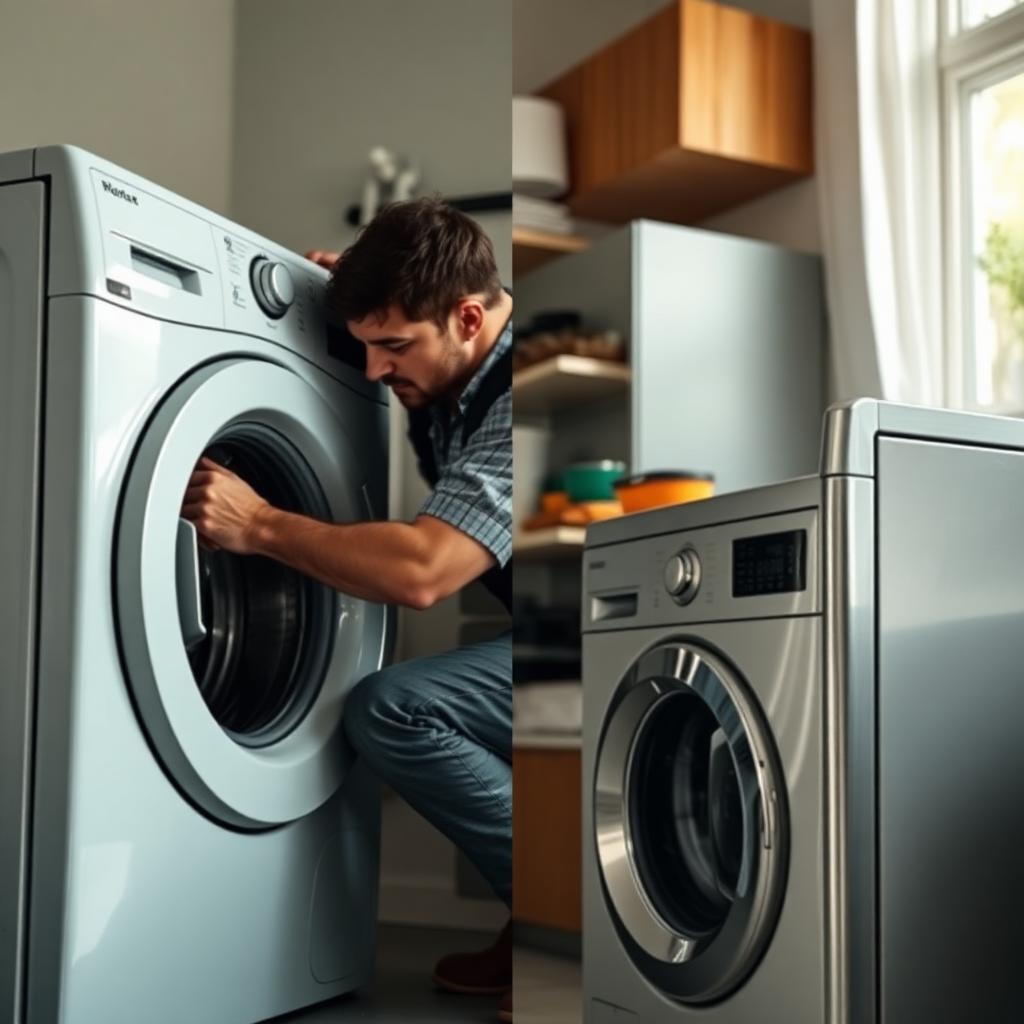
When a major appliance breaks, the first question is usually not “what part failed?” It is “should I repair it or replace it?”
The answer depends on the repair cost, appliance age, replacement price, reliability, warranty coverage, parts availability, and how much inconvenience you are willing to tolerate. A $200 repair on a newer refrigerator may be an easy yes. A $700 repair on a 13-year-old dishwasher may be harder to justify.
There is no perfect rule for every situation, but there are practical ways to make the decision.
This guide explains when appliance repair makes sense, when replacement is smarter, and how to compare costs before spending money.
💡 Quick takeaway: Repair is usually best for newer appliances with affordable fixes. Replacement is usually better when the appliance is old, unreliable, inefficient, or facing a repair that costs close to half the price of a new model.
The basic repair vs replacement question
To decide whether to repair or replace an appliance, compare five things:
- Repair cost
- Replacement cost
- Appliance age
- Reliability history
- Warranty coverage
A repair may look expensive by itself, but still be worthwhile if replacement costs much more. On the other hand, a repair that seems affordable may be a poor choice if the appliance is near the end of its useful life and likely to fail again.
The 50% rule
The 50% rule is a common appliance repair guideline.
It says: if the repair costs more than 50% of the price of a comparable new appliance, replacement may be the better choice.
Example:
- New dishwasher installed: $900
- Repair estimate: $550
Because the repair is more than half the replacement cost, replacement deserves serious consideration.
But the rule is not absolute. You should also consider age, installation difficulty, warranty coverage, and appliance quality.
Age matters
Appliance age is one of the biggest factors in the repair vs replacement decision.
A 3-year-old appliance may be worth repairing even if the repair is moderately expensive. A 14-year-old appliance may not be.
Older appliances are more likely to have:
- Additional parts wearing out
- Lower efficiency
- Cosmetic wear
- Discontinued parts
- More frequent future repairs
- Less warranty protection
If the appliance is already near the end of its expected life, a major repair may only buy a short amount of extra time.
Reliability history matters
Ask yourself:
- Has this appliance needed repairs before?
- Is this the first issue or the third?
- Are problems becoming more frequent?
- Does the appliance still perform well?
- Are parts readily available?
- Do technicians recommend keeping it?
A reliable appliance with one isolated failure may be worth repairing. An appliance with repeated breakdowns may be telling you it is time to replace.
Warranty coverage can change the decision
If the appliance is under warranty, repair often makes sense because your cost may be limited.
Coverage may come from:
- Manufacturer warranty
- Extended appliance warranty
- Retailer protection plan
- Home warranty
- Credit card extended warranty benefit
But check:
- Service fee
- Labor coverage
- Parts coverage
- Claim limits
- Exclusions
- Replacement rules
- Technician requirements
A warranty can make an expensive repair affordable, but only if the claim is approved and limits are high enough.
Related guide: Appliance Warranty vs Repair Cost: When to Pay Out of Pocket
When repair usually makes sense
Repair is often the better option when:
- The appliance is relatively new
- Repair cost is low compared with replacement
- The issue is minor
- Parts are available
- The appliance has been reliable
- The repair is covered by warranty
- Replacement would require extra installation work
- You like the current appliance
- A comparable replacement is expensive
Repairs are especially attractive when the problem is common and affordable, such as a dryer belt, oven igniter, dishwasher latch, or refrigerator fan.
When replacement usually makes sense
Replacement is often better when:
- Repair cost is more than 50% of replacement cost
- Appliance is near the end of expected life
- Parts are discontinued
- Repairs are frequent
- Efficiency is poor
- Appliance no longer fits your needs
- Warranty coverage is unavailable
- Repair would not solve underlying reliability concerns
- A new appliance comes with better features and a warranty
Replacement may also be smarter if the appliance failure creates safety concerns, such as electrical issues, gas problems, or overheating.
Refrigerator repair vs replacement
Refrigerators are expensive and important, so the decision can be difficult.
Repair may make sense when:
- The refrigerator is less than 8 years old
- The repair is a fan, gasket, sensor, or thermostat
- The appliance is premium or built-in
- Replacement would be expensive
- Warranty coverage applies
Replacement may make sense when:
- The compressor or sealed system fails on an older unit
- The refrigerator is over 12 to 15 years old
- Repair cost is very high
- Energy use is poor
- Parts are unavailable
- Cooling problems keep returning
Built-in refrigerators are different because replacement can be much more expensive. A repair that seems high for a standard refrigerator may still be reasonable for a built-in model.
Related guide: Refrigerator Repair Cost Guide
Dishwasher repair vs replacement
Dishwashers can be affordable or expensive depending on the model.
Repair may make sense when:
- The dishwasher is less than 6 to 8 years old
- The issue is a latch, valve, hose, pump, or minor leak
- The model is high-end
- The repair cost is well below replacement
- Warranty coverage applies
Replacement may make sense when:
- The dishwasher is over 10 years old
- The motor or control board repair is expensive
- The tub is leaking
- Racks are rusting and parts are costly
- Cleaning performance is poor
- Repair cost approaches replacement cost
Related guide: Dishwasher Repair Cost Guide
Washer repair vs replacement
Washers can produce expensive repairs, especially front-load models.
Repair may make sense when:
- The washer is less than 7 years old
- The repair is a pump, valve, switch, or belt
- The appliance has been reliable
- The model is high quality
- Warranty coverage applies
Replacement may make sense when:
- The washer is over 10 years old
- Bearings or tub assembly fail
- The motor or control board repair is expensive
- It has repeated balance or spin issues
- It leaks frequently
- Repair cost is near replacement cost
Front-load washer bearing repairs can be expensive enough that replacement is often considered.
Related guide: Washing Machine Repair Cost Guide
Dryer repair vs replacement
Dryers are often worth repairing because many repairs are relatively straightforward.
Repair may make sense when:
- The issue is a belt, fuse, thermostat, roller, or heating element
- The dryer is otherwise reliable
- Replacement cost is significantly higher
- The unit is gas, premium, or stacked
- Warranty coverage applies
Replacement may make sense when:
- The dryer is very old
- The motor or control board repair is expensive
- The drum is damaged
- Multiple parts are failing
- Dryer venting problems caused repeated overheating
- A more efficient model would be useful
Basic electric dryers are often repair-friendly. Smart dryers, gas dryers, and heat pump dryers may require more careful comparison.
Related guide: Dryer Repair Cost Guide
Oven and range repair vs replacement
Ovens and ranges can last a long time, so repair is often worthwhile if the issue is manageable.
Repair may make sense when:
- The issue is an igniter, sensor, heating element, or burner
- The appliance is built-in
- Replacement would require installation work
- The unit is premium
- Warranty coverage applies
Replacement may make sense when:
- The control board is expensive and appliance is old
- Parts are discontinued
- A gas valve or electrical issue is serious
- The cooktop glass is cracked and expensive
- Multiple burners or oven functions are failing
- Repair cost approaches replacement cost
Related guide: Oven & Stove Repair Cost Guide
Built-in appliance decisions are different
Built-in appliances often justify higher repair spending.
Examples include:
- Built-in refrigerators
- Wall ovens
- Panel-ready dishwashers
- Microwave drawers
- Downdraft cooktops
- Built-in wine coolers
Replacement may involve:
- Cabinet modifications
- Custom panels
- Trim kits
- Electrical work
- Plumbing work
- Delivery challenges
- Installation labor
- Haul-away fees
Because replacement is more complicated, a repair that would be too expensive for a freestanding appliance may be reasonable for a built-in appliance.
Consider energy efficiency
New appliances may use less energy or water than older models.
Efficiency alone does not always justify replacement, but it can matter if:
- The appliance is very old
- Utility costs are high
- The appliance runs constantly
- Water use is significant
- The old appliance performs poorly
Refrigerators, washers, and dishwashers are common examples where efficiency improvements may matter.
Consider hidden replacement costs
Replacement cost is not just the sticker price.
Include:
- Delivery
- Installation
- Haul-away
- New hoses
- New power cord
- Water line
- Gas connector
- Venting
- Trim kit
- Cabinet modifications
- Permit or code work
- Tax
- Disposal fee
A $900 appliance may become a $1,200 project after installation and accessories.
Consider downtime
Repair may be faster if parts are available. Replacement may be faster if the appliance is in stock.
But either option can take time.
Repair delays may happen because:
- Technician availability is limited
- Diagnosis requires a visit
- Parts are backordered
- Warranty approval is slow
- A second visit is needed
Replacement delays may happen because:
- Preferred model is out of stock
- Delivery is delayed
- Installation requires scheduling
- Old appliance removal is difficult
- Built-in dimensions do not match
For refrigerators, washers, and cooking appliances, downtime can affect the decision.
Questions to ask the repair technician
Before approving a repair, ask:
- What part failed?
- What caused the failure?
- Is this a common issue?
- Are other parts showing wear?
- How long is the repair expected to last?
- Are parts readily available?
- Is there a warranty on the repair?
- Would you repair or replace this appliance?
- Is the appliance otherwise in good condition?
- Could the same problem return?
A good technician can help you understand whether the repair is a one-time fix or a sign of bigger problems.
Questions to ask before replacing
Before buying a replacement, ask:
- What size do I need?
- Will it fit the existing space?
- Are hookups compatible?
- Is installation included?
- Is haul-away included?
- Are new accessories required?
- Is the appliance in stock?
- What warranty comes with it?
- Are extended warranties worth considering?
- Are there rebates or efficiency incentives?
- Will replacement solve the problem long-term?
How warranties affect replacement
If a covered appliance cannot be repaired, a warranty may offer replacement or payout.
But replacement terms vary.
The provider may offer:
- Comparable replacement
- Cash settlement
- Store credit
- Reimbursement
- Depreciated value
- Capped payout
Read the contract carefully. A warranty replacement may not cover every cost involved in installing a new appliance.
Related guide: Appliance Warranty Claims: What to Expect Before You File
A simple repair vs replacement checklist
Use this checklist:
- What is the repair estimate?
- What is the cost of a comparable replacement?
- How old is the appliance?
- Has it been reliable?
- Are parts available?
- Is the repair covered by warranty?
- What is the service fee?
- Would replacement require installation extras?
- Is the appliance efficient?
- Are future repairs likely?
- How urgent is the repair?
- Would you be happy keeping the appliance?
Average appliance lifespans
Age is the other half of the equation. An expensive repair on a near-new appliance may still be worth it; the same repair on a unit near the end of its life rarely is.
| Appliance | Average lifespan | Lean toward replacing if older than |
|---|---|---|
| Refrigerator | 10–13 years | ~10 years |
| Washing machine | 10–12 years | ~9 years |
| Dryer | 10–13 years | ~10 years |
| Dishwasher | 9–12 years | ~8 years |
| Oven / range | 13–15 years | ~12 years |
| Microwave | 7–10 years | ~7 years |
| Garbage disposal | 8–12 years | ~9 years |
Once an appliance passes about 75% of its expected lifespan, the odds of additional failures climb and replacement starts to look better even for moderate repairs.
How to find your appliance's age
If you do not know how old an appliance is, check the serial number on the data plate (often inside the door, on the back, or near the base). Most manufacturers encode the manufacture date in the serial number, and free serial-number decoders can translate it. Knowing the true age sharpens every part of this decision.
Final recommendation
Repair is usually the right choice when the appliance is newer, the problem is isolated, the repair cost is reasonable, and parts are available. Replacement is usually smarter when the appliance is old, unreliable, inefficient, or facing a repair that approaches the cost of a new model.
Use the 50% rule as a starting point, not a final answer. Appliance age, reliability, warranty coverage, installation cost, and downtime all matter.
When in doubt, get a diagnosis, compare repair and replacement costs, and choose the option that gives you the best long-term value.
⚠️ Disclaimer: This article is for general informational purposes only. Appliance repair costs, replacement costs, lifespans, warranty coverage, and product availability vary by brand, model, location, and technician. Always consult a qualified repair professional before making major repair or replacement decisions.
Is it better to repair or replace an appliance?
Repair is usually better when the appliance is newer, the repair is affordable, and the appliance has been reliable. Replacement may be better when the repair cost is high, the appliance is old, parts are unavailable, or breakdowns are frequent.
What is the 50% rule for appliance repair?
The 50% rule suggests replacing an appliance if the repair cost is more than half the cost of a comparable new appliance, especially if the appliance is already near the end of its expected life.
How old should an appliance be before replacing it?
It depends on the appliance type, condition, and repair history. Refrigerators, washers, dryers, dishwashers, ovens, and ranges all have different typical lifespans, so age should be considered with repair cost and reliability.
Should I repair an appliance under warranty?
If the repair is covered by warranty and the appliance is otherwise worth keeping, repair usually makes sense. Check service fees, claim limits, and replacement terms before deciding.
When is appliance repair not worth it?
Appliance repair may not be worth it when the repair is close to replacement cost, the appliance is old, parts are discontinued, efficiency is poor, or repeated repairs are likely.
Frequently asked questions
Related guides
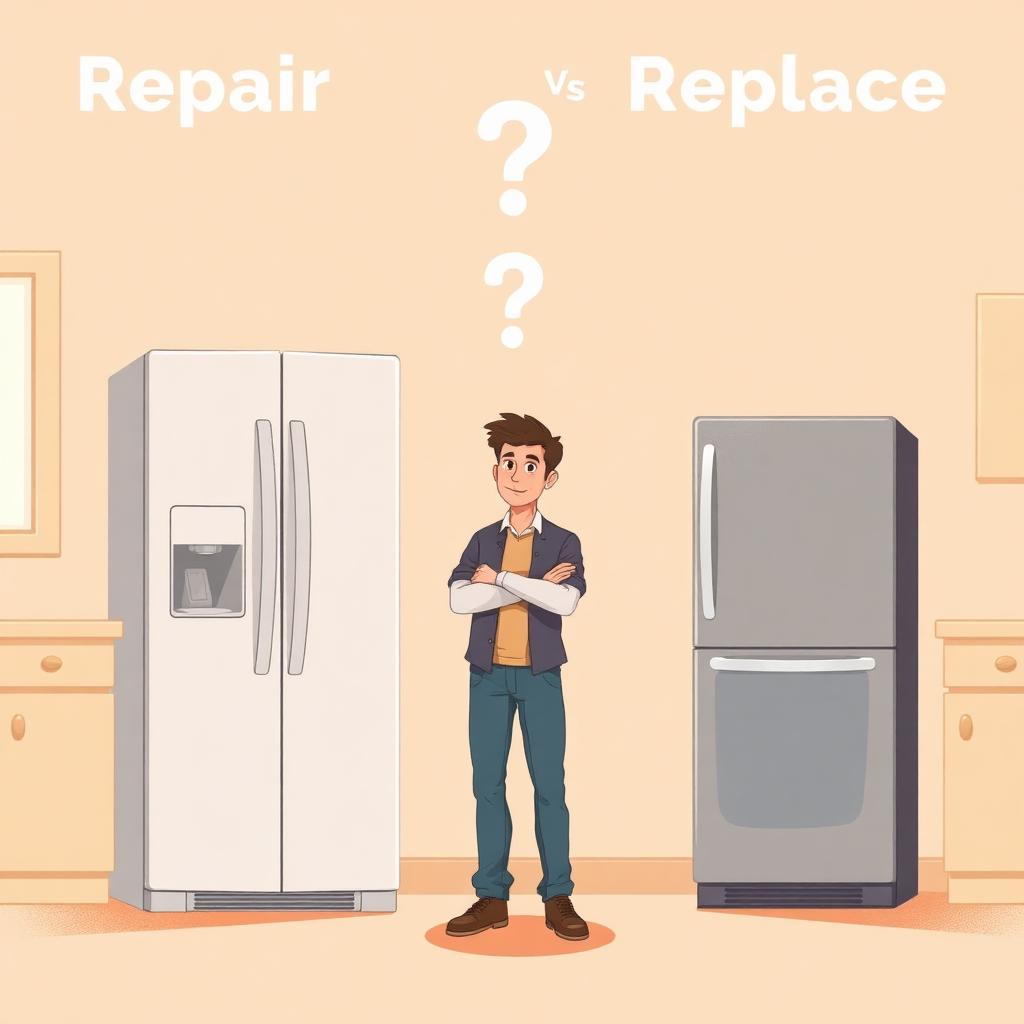
Common Appliance Problems That Are Not Worth Repairing
Some appliance problems are not worth repairing. Learn when refrigerator, washer, dishwasher, oven, dryer, and cooktop repairs may not make sense.

Freezer Repair or Replace: 2026 Decision Guide
Compare freezer repair and replacement using diagnosis, food safety, sealed-system condition, parts, energy use, complete costs, and warranty coverage.
Garbage Disposal Repair or Replace: 2026 Decision Guide
Compare garbage-disposal repair and replacement using leak location, jams, motor condition, electrical safety, plumbing fit, installation cost, and warranty terms.
Disclaimer: Pricing reflects US national averages as of the publication date and varies by region, brand, and labor rates. This article is informational and does not replace professional inspection or repair advice. See our full disclaimer.