Dryer Repair Cost Guide
Typical range across repairs in this guide
$75–$500
7 common repairs, parts and labor, US national averages. Your local price will differ.
Updated October 21, 2026 · How we estimate costs
Written by
Editorial Team
Research and editorial staff
Dates
Published
Last updated
What changed: Added a sourced cost table with ranges reconciled from independent published cost guides (average of two sources, or the median of three or more, rounded to the nearest $25), and updated the quick answer to match.
Checked by our editors.How we estimate repair costsEditorial policy
Sources
- Dryer repair cost (HomeAdvisor) — HomeAdvisor
- Dryer repair cost (Fixr) — Fixr
- How much does dryer repair cost? (HomeGuide) — HomeGuide
- U.S. Fire Administration clothes dryer safety — U.S. Fire Administration
- Consumer Product Safety Commission recalls — U.S. Consumer Product Safety Commission
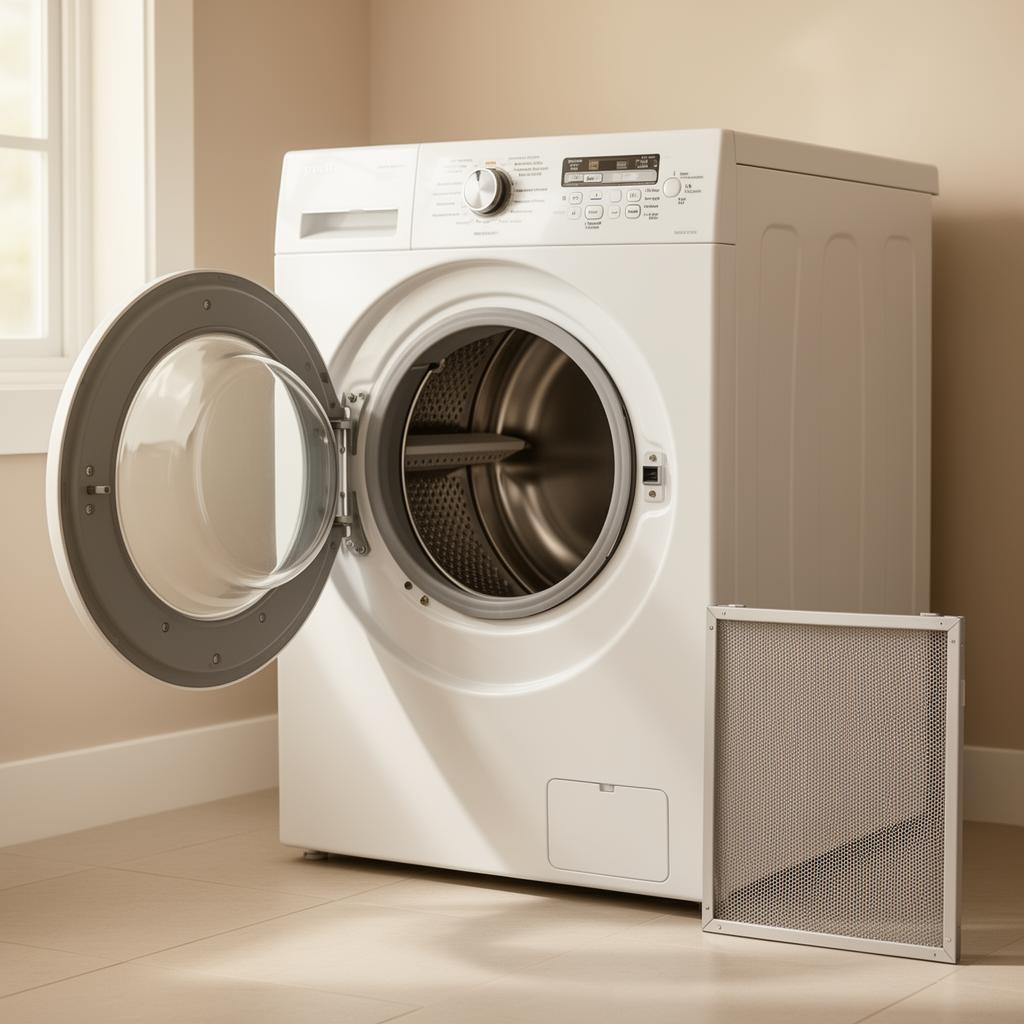
Estimated US repair costs, parts and labor
| Repair | Low | High |
|---|---|---|
| Heating element | $150 | $350 |
| Thermostat | $100 | $275 |
| Drive belt | $100 | $250 |
| Drive motor | $150 | $425 |
| Drum | $175 | $500 |
| Igniter (gas dryers) | $100 | $250 |
| Vent cleaning | $75 | $175 |
Estimates reconciled from the published guides listed under Sources. Actual quotes vary by brand, region and part availability.
Dryer repair cost cannot be determined from “no heat,” “no spin,” or “takes too long” alone. Similar symptoms can result from airflow, power, gas supply, controls, sensors, switches, motors, belts, heating components, or installation.
Start with safety, record the full model, and obtain a written diagnosis and itemized local quote.
Fire, gas, and electrical safety
Stop using the dryer for burning odor, smoke, visible arcing, gas odor, damaged wiring, repeated breaker trips, uncontrolled overheating, or scorching.
Leave the building and contact the gas utility or emergency services when official guidance requires it. Do not search for a gas leak with a flame, operate switches in a suspected gas atmosphere, bypass safety devices, or keep resetting a tripping breaker.
Dryers combine high voltage or gas, heat, moving parts, and combustible lint. Internal electrical and gas work requires appropriate qualifications.
Record the equipment
Save:
- Manufacturer
- Complete model and serial number
- Gas or electric fuel
- Voltage and connection type
- Freestanding, stacked, or built-in installation
- Vent route and termination
- Symptoms and codes
- Start date
- Prior repairs
- Existing warranty or service contract
Photograph the rating label and accessible installation.
What an estimate should include
Request:
- Diagnostic or service charge
- Failed component and cause
- Part number and price
- Labor
- Travel or minimum charge
- Stacking or access work
- Vent or utility work
- Shipping and tax
- Permit or code work where applicable
- Repair warranty
- Complete total
Clarify whether diagnosis is credited toward repair.
Dryer will not heat
For an electric dryer, possibilities include supply voltage, heating components, thermal protection, controls, sensors, wiring, or airflow. For a gas dryer, possibilities include supply, ignition, flame sensing, valve components, controls, or airflow.
The drum turning does not prove that every electrical supply condition is correct. Do not perform live-voltage or gas tests without qualifications and model-specific procedures.
Dryer will not start
Possible causes include power, door switch, start controls, thermal protection, motor, belt monitoring, wiring, or control board.
Check only accessible loading and power conditions described in the manual. Never bypass a switch or fuse.
Drum will not turn
A stopped drum can involve loading, belt, rollers, idler, motor, obstruction, or controls. A humming motor does not prove a broken belt.
Stop repeated start attempts if the motor overheats or smells. Obtain a diagnosis before ordering parts.
Long drying time
Restricted airflow is an important safety possibility, but load size, selected cycle, spin performance from the washer, lint screen, vent, outside termination, room conditions, fuel or power supply, heating, moisture sensors, and controls can all affect time.
If the exterior vent has weak airflow or excessive heat, stop and arrange appropriate inspection. Do not operate the dryer with disconnected, damaged, or unsuitable venting.
Dryer noise
Rumbling, squealing, scraping, clicking, and thumping can arise from load items, seams, rollers, idler, belt, motor, blower, foreign objects, or cabinet contact.
Record when the noise occurs and whether the drum moves normally. Do not open the cabinet while energized.
Dryer will not stop or overheats
Stop the unit and disconnect it safely. Causes can involve airflow, controls, sensors, relays, wiring, or incorrect installation.
Uncontrolled heat is not a condition for continued testing. Seek qualified service.
Vent inspection
The exhaust system is part of dryer safety and performance. Check the manual and applicable codes for material, diameter, length, bends, termination, clearances, and shared-vent restrictions.
Cleaning frequency depends on use and installation. Use qualified service when the vent is long, hidden, damaged, inaccessible, or contaminated.
A dryer part replacement may fail again if the root airflow problem is not corrected.
Gas versus electric scope
Gas dryer estimates may involve ignition, combustion, supply, connectors, venting, and qualified gas work. Electric dryers may involve high-voltage supply, cords, receptacles, terminals, heating, and controls.
Ask whether utility diagnosis, disconnection, reconnection, and leak or electrical safety checks are included.
Parts cost
Prices vary by model, supplier, availability, shipping, and part status. Confirm the exact part number and whether it is new, authorized, aftermarket, rebuilt, or used.
Low-cost components can still produce a significant bill because diagnosis, travel, access, installation, and testing require labor.
Labor and access
Laundry closets, stacked installations, pedestals, cabinetry, narrow halls, gas connections, and rigid vents can increase access work.
Confirm whether moving, unstacking, floor protection, reconnection, leveling, and test operation are included. Ask who is responsible if another trade is required.
Diagnosis quality
Ask the technician to identify:
- Failed component
- Root cause
- Test evidence
- Required repair
- Safety concern
- Vent or utility issue
- Parts availability
- Total scope
Replacing a thermal protection device without correcting overheating or airflow may not solve the problem.
Manufacturer coverage and recalls
Check the purchase date, parts and labor terms, motor or drum provisions, registration, authorized-service requirements, installer warranty, and recall notices.
Use the full model and serial range. Contact the manufacturer before outside repair where coverage may apply.
Home-warranty coverage
A service contract may cover a listed dryer and eligible component, but terms vary by fuel type, cause, effective date, maintenance, installation, fee, limit, and authorization.
External vent cleaning, gas lines, cords, and cosmetic parts may be treated separately. Review the actual agreement.
Comparing repair quotes
Provide each servicer with identical model, symptoms, fuel type, access, and vent information. Compare diagnosis, part, labor, related work, tax, timing, and warranty.
A low quote may omit vent correction, stacking, gas reconnection, or another necessary step.
Repair or replace
Compare:
- Written diagnosis
- Complete repair total
- Installed replacement total
- Safety condition
- Parts availability
- Prior failures
- Remaining coverage
- Capacity and features
- Vent and utility compatibility
- Matching or stacking requirements
Do not use one age, dollar, or percentage threshold automatically.
Installed replacement cost
Replacement can involve delivery, haul-away, stacking kit, pedestal, gas connector, cord, receptacle, vent transition, duct correction, permits, code work, and tax.
Confirm dimensions, door swing, fuel, voltage, capacity, and vent route. A retail appliance price is not the full installed comparison.
Matching laundry pairs
Replacing one dryer may create finish, height, control, capacity, pedestal, or stacking incompatibility with the washer. A repair decision should consider those practical constraints.
A warranty or repair agreement does not necessarily pay to replace the matching washer.
Homeowners insurance
A mechanical failure, dryer fire, smoke damage, and resulting property damage can be treated differently. Review insurance policy terms and deductibles.
Make the situation safe, document damage, and notify relevant providers. Do not assume either policy covers every part of the event.
Safe owner maintenance
Follow the model manual. Typical tasks can include cleaning the lint screen, inspecting the accessible transition duct, keeping the area clear, and arranging vent maintenance.
Do not improvise solvents, operate without safe venting, or disassemble gas or energized electrical components.
Estimate worksheet
Record:
- Diagnostic charge
- Diagnosis and cause
- Part and labor
- Gas or electrical scope
- Vent scope
- Access and stacking
- Shipping and tax
- Repair warranty
- Repair total
- Installed replacement total
- Timing
Questions for the technician
- What failed and why?
- Is airflow or utility supply involved?
- Is the dryer safe to leave connected?
- What exact part is required?
- Is it available?
- Is all access included?
- Who handles gas, electrical, or vent work?
- What safety test follows repair?
- What warranty applies?
- What is the complete total?
Final guidance
A dependable dryer repair estimate is diagnosis-based, model-specific, fuel-specific, local, and itemized. Address fire, gas, electrical, and airflow hazards first. Then compare complete repair with installed replacement and existing protection.
Avoid symptom-only diagnoses, fixed national prices, and automatic age thresholds.
Related articles
- Repair or Replace a Dryer?
- Does a Home Warranty Cover a Washer and Dryer?
- Washing Machine Repair Cost Guide
- Average Appliance Repair Cost by Type
Disclosure: This article is informational and not a substitute for manufacturer instructions or qualified service. The site may earn a commission from eligible links. Commercial relationships do not determine the guidance.
Frequently asked questions
Related guides
 Typical repair$75–$350
Dryer Not Heating Repair Cost: Diagnosis Guide
Estimate dryer-not-heating repair cost using fuel type, diagnosis, vent and utility checks, parts, labor, access, warranty coverage, and replacement cost.
 Typical repair$50–$800
Refrigerator Repair Cost Guide
Refrigerator repair cost guide for 2026: average prices by part, what drives the bill, DIY vs pro, and when to replace instead. Real US cost ranges.
 Typical repair$100–$450
Washing Machine Repair Cost Guide
Estimate washing-machine repair cost using a written diagnosis, model-specific parts, local labor, water and electrical scope, access, warranty, and replacement quotes.
Disclaimer: Pricing reflects US national averages as of the publication date and varies by region, brand, and labor rates. This article is informational and does not replace professional inspection or repair advice. See our full disclaimer.