Washing Machine Repair Cost Guide
Typical range across repairs in this guide
$100–$450
8 common repairs, parts and labor, US national averages. Your local price will differ.
Updated October 21, 2026 · How we estimate costs
Written by
Editorial Team
Research and editorial staff
Dates
Published
Last updated
What changed: Added a sourced cost table with ranges reconciled from independent published cost guides (average of two sources, or the median of three or more, rounded to the nearest $25), and updated the quick answer to match.
Checked by our editors.How we estimate repair costsEditorial policy
Sources
- Washing machine repair cost (HomeAdvisor) — HomeAdvisor
- Washing machine repair cost (Fixr) — Fixr
- Consumer Product Safety Commission recalls — U.S. Consumer Product Safety Commission
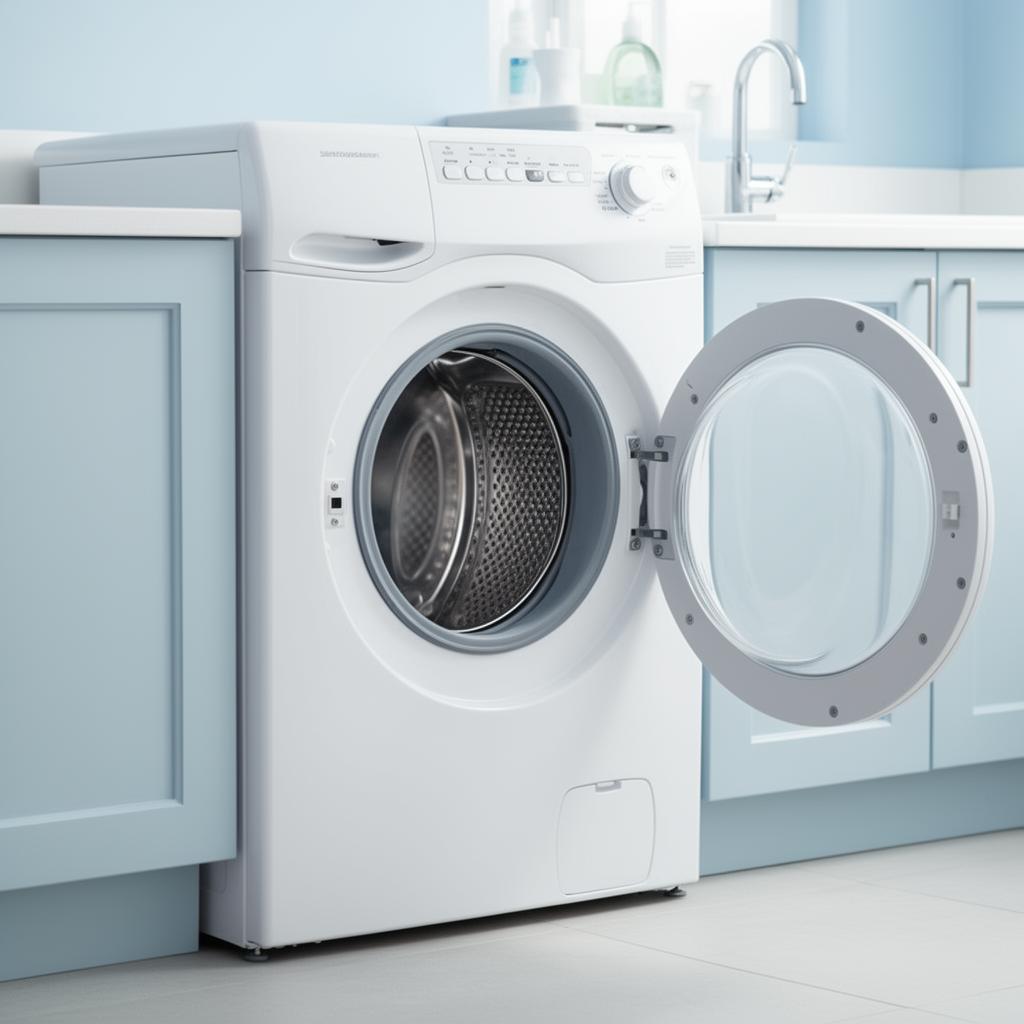
Estimated US repair costs, parts and labor
| Repair | Low | High |
|---|---|---|
| Drain pump | $300 | $400 |
| Drive motor | $300 | $450 |
| Drum bearings | $150 | $225 |
| Door lock / latch | $125 | $300 |
| Water inlet valve | $100 | $200 |
| Drive belt | $125 | $175 |
| Drain hose | $125 | $200 |
| Door seal / gasket | $225 | $300 |
Estimates reconciled from the published guides listed under Sources. Actual quotes vary by brand, region and part availability.
Washing-machine repair cost cannot be predicted reliably from “will not drain,” “will not spin,” or “leaks.” Those symptoms can involve loading, hoses, pumps, valves, door locks, drive components, bearings, suspension, motors, wiring, controls, installation, or household plumbing.
Start with safety, identify the exact model, and obtain a written diagnosis and itemized local quote.
Safety first
Stop the machine for active leakage, water near electrical connections, smoke, burning odor, arcing, damaged wiring, uncontrolled movement, or repeated breaker trips. Shut off accessible water valves and power only when safe.
Washers combine water, electricity, heavy moving tubs, springs, sharp metal, and stored water. Internal electrical measurements, cabinet removal, and major disassembly require suitable qualifications.
Record the appliance
Save the manufacturer, complete model and serial number, top-load or front-load design, stacked or freestanding installation, purchase date or approximate age, symptoms, codes, prior repairs, and existing coverage.
Photograph the rating label, hoses, drain arrangement, floor condition, and visible leak location.
What an estimate should include
Request:
- Diagnostic or service charge
- Failed component and cause
- Exact part number and price
- Labor
- Travel or minimum charge
- Access and unstacking
- Water, drain, or electrical work
- Shipping and tax
- Permit or code work where applicable
- Repair warranty
- Complete authorized total
Clarify whether the diagnostic fee is credited.
Washer will not drain
Possible causes include an accessible filter, foreign object, drain hose, pump, sensor, wiring, control, installation, or household drain restriction.
Follow the model manual for owner-accessible filter and hose checks. Prepare for retained water. Do not force internal pump components or tip the machine without safe procedures.
Washer will not spin
The machine may stop spinning because of load balance, drainage, door or lid locking, belt or drive components, motor, suspension, sensors, wiring, or controls.
Record whether the tub turns by hand only if the manual permits and power is safely disconnected. A symptom alone does not prove a motor or transmission failure.
Washer will not fill
Possible causes include closed valves, kinked hoses, inlet screens, water pressure, valves, door lock, sensors, controls, or supply issues.
Do not disconnect pressurized hoses without the necessary skill. Replace swollen, corroded, or damaged hoses appropriately.
Washer leaks
Stop the cycle and mitigate water safely. Leakage can come from supply hoses, drain hoses, valves, pump, door boot, dispenser, tub, seals, oversudsing, unlevel installation, or household plumbing.
Do not repeatedly run a leaking washer for diagnosis. The estimate should identify the source and separate appliance, plumbing, flooring, and restoration work.
Excessive vibration or movement
Loading, transit bolts, leveling, flooring, suspension, bearings, tub components, and installation can affect movement. Stop a machine that walks, strikes nearby objects, or makes violent impacts.
A qualified technician should distinguish installation from mechanical damage before parts are ordered.
Noise
Grinding, roaring, squealing, clicking, and banging can come from foreign objects, pumps, belts, drive parts, bearings, suspension, motor, or load items.
Record the cycle stage and load. A short video can help, but do not operate an unsafe machine.
Error codes
Codes are model-specific. Photograph the full display and use manufacturer documentation for the exact model.
A code identifies a detected condition, not always the failed part. Avoid ordering pumps, locks, sensors, or boards from a generic chart alone.
Front-load and top-load differences
Design affects parts, access, labor, and diagnosis. Front-load machines may involve door boots, locks, counterweights, suspension, and bearing access. Top-load designs vary widely in drive, suspension, lid-lock, and tub construction.
Do not assume one design is always cheaper to repair. Compare the exact model and scope.
Parts cost
Prices vary by model, supplier, revision, availability, shipping, and whether a part is new, authorized, aftermarket, rebuilt, or used. Confirm the exact part number and warranty.
A low-cost part can still require substantial access, disassembly, reassembly, calibration, and leak testing.
Labor and access
Closets, stacked units, pedestals, drain pans, cabinetry, narrow doors, and inaccessible shutoffs can add work. Major bearing or tub repairs can require extensive disassembly.
Ask whether moving, unstacking, floor protection, hose replacement, reconnection, leveling, and test operation are included.
Plumbing and electrical scope
Appliance repair can reveal failed shutoff valves, unsuitable hoses, blocked drains, standpipe problems, damaged outlets, or wiring concerns. These may require separate qualified trades.
Request an itemized separation rather than assuming the appliance quote includes building-system work.
Diagnosis quality
Ask the technician to identify the failed component, root cause, test evidence, required repair, related damage, safety condition, parts status, and total scope.
Replacing a pump without addressing debris or drainage, or replacing a control without checking supply and wiring, can leave the problem unresolved.
Manufacturer coverage and recalls
Check parts and labor terms, registration, motor or tub provisions, installer warranty, recall notices, and authorized-service requirements. Use the full model and serial range.
Contact the manufacturer before outside work when coverage may apply.
Home-warranty coverage
A service contract may cover a listed washer and eligible component, subject to cause, effective date, maintenance, installation, service fee, limit, and authorization.
Hoses, external plumbing, cosmetic parts, access, and resulting damage may be treated separately. Review the current agreement.
Water damage
The failed appliance and damage to flooring, walls, cabinets, or belongings can be separate claims. Homeowners insurance, the service contract, installer, another product, or no coverage may apply.
Mitigate safely, photograph conditions, and notify relevant providers. Do not assume one approval covers the entire incident.
Comparing quotes
Give each servicer identical model, symptoms, access, and installation information. Compare diagnosis, parts, labor, plumbing, electrical work, tax, timing, and warranty.
A lower quote may omit unstacking, hose replacement, floor protection, calibration, or leak testing.
Repair or replace
Compare the written diagnosis, complete repair total, installed replacement total, safety condition, parts availability, prior failures, remaining coverage, capacity, efficiency, matching, and household needs.
Do not use one age, dollar, or percentage threshold automatically.
Installed replacement cost
Replacement can include delivery, haul-away, unstacking, stacking kit, pedestal compatibility, hoses, drain pan, shutoff work, electrical changes, floor protection, permits, and tax.
Measure doors, stairs, alcoves, and hookups. A retail washer price is not the full comparison.
Matching laundry pairs
Replacing a washer can affect stacking, pedestal, height, finish, controls, and dryer capacity. A repair or warranty agreement may not pay to replace the matching dryer.
Include compatibility in the estimate without treating appearance as a mechanical necessity.
Safe owner maintenance
Follow the model manual for detergent, load size, filter cleaning, tub-cleaning cycles, door care, leveling, and hose inspection. Do not mix cleaning chemicals or improvise internal repairs.
Maintenance can reduce avoidable problems but does not guarantee that a component will not fail.
Estimate worksheet
Record diagnostic charge, diagnosis, part, labor, access, plumbing, electrical work, shipping, tax, repair warranty, repair total, replacement total, timing, and unknowns.
Keep written quotes and photographs.
Questions for the technician
- What failed and why?
- What evidence supports the diagnosis?
- Is plumbing, power, loading, or installation involved?
- Is the unit safe?
- Is the part available?
- Is access included?
- What testing follows repair?
- What warranty applies?
- Could another condition damage the new part?
- What is the complete total?
Final guidance
A dependable washer repair estimate is model-specific, diagnosis-based, local, and itemized. Stop leaks and electrical hazards first, then compare complete repair with installed replacement and existing protection.
Avoid fixed national prices, symptom-only diagnoses, and automatic age thresholds.
Related articles
- Repair or Replace a Washing Machine?
- LG Washer OE Error Code
- Does a Home Warranty Cover a Washer and Dryer?
Disclosure: This article is informational and not a substitute for manufacturer instructions or qualified service. The site may earn a commission from eligible links. Commercial relationships do not determine the guidance.
Frequently asked questions
Related guides
 Typical repair$50–$600
Dishwasher Repair Cost Guide
Estimate dishwasher repair cost using a written diagnosis, model-specific parts, local labor, access, installation, warranty, and replacement quotes.
 Typical repair$50–$800
Refrigerator Repair Cost Guide
Refrigerator repair cost guide for 2026: average prices by part, what drives the bill, DIY vs pro, and when to replace instead. Real US cost ranges.
 Typical repair$75–$500
Dryer Repair Cost Guide
Estimate clothes-dryer repair cost using a written diagnosis, model-specific parts, local labor, fuel type, vent condition, access, warranty, and replacement quotes.
Disclaimer: Pricing reflects US national averages as of the publication date and varies by region, brand, and labor rates. This article is informational and does not replace professional inspection or repair advice. See our full disclaimer.