Washing Machine: Repair or Replace? A 2026 Decision Guide
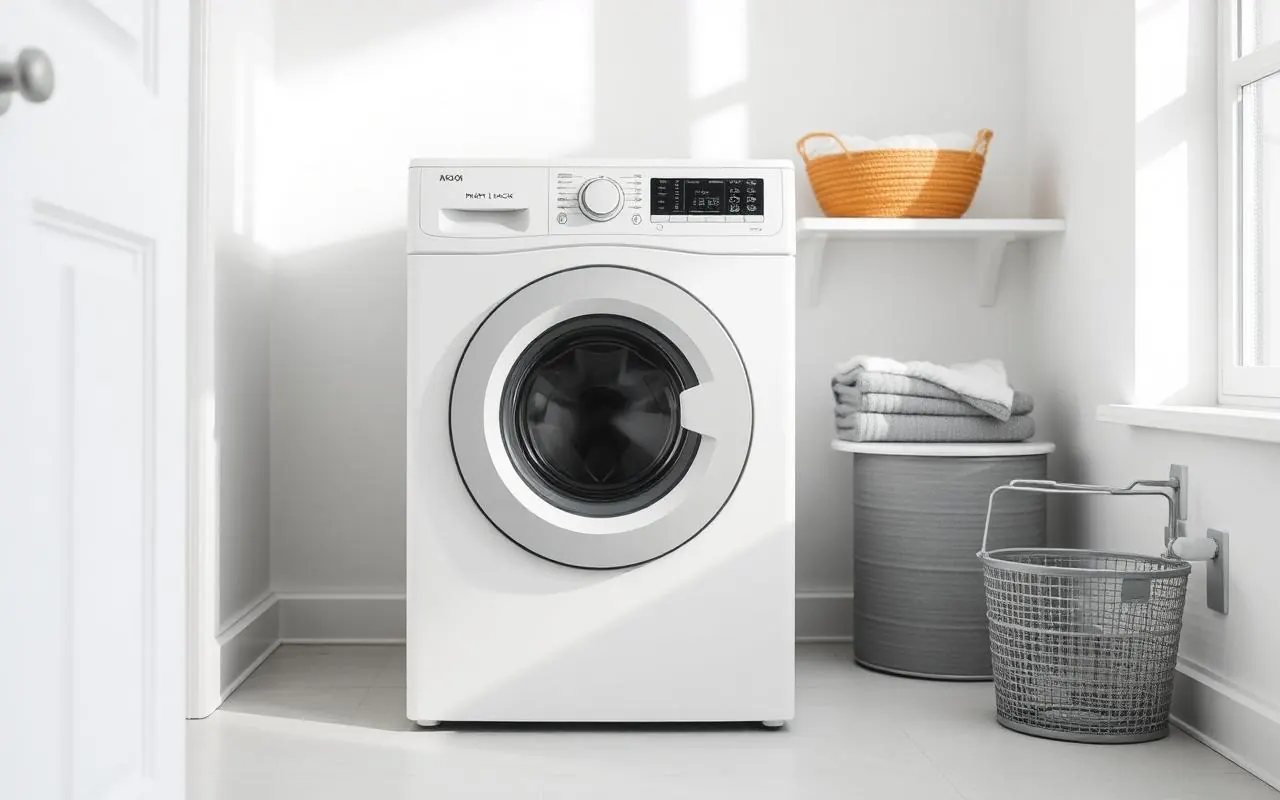
Typical US repair costs (parts + labor)
| Repair | Low | High |
|---|---|---|
| Drain pump replacement | $150 | $300 |
| Lid switch / door lock | $120 | $220 |
| Drive belt | $130 | $240 |
| Control board | $280 | $500 |
| Drum bearings (front-load) | $450 | $700 |
| Transmission rebuild | $500 | $900 |
| Motor replacement | $400 | $650 |
US national averages including parts and labor. Local pricing varies.
Washing machines fail differently from refrigerators. A fridge gives you 24 hours of grace; a broken washer is just a pile of wet laundry. That urgency leads many homeowners to overspend on either repair or replacement. Here's how to think about it cleanly.
What typically breaks
The failure pattern is well documented across appliance service records:
- Years 1–5: Mostly electronic — control boards, sensors, door locks. Often covered by manufacturer warranty.
- Years 6–10: Pumps, belts, and water inlet valves. Mid-range repairs ($150–$300).
- Years 10+: Bearings, transmissions, motors. These are the expensive failures that drive replacement decisions.
DIY checks before you call
A few things are genuinely safe to check yourself:
- Clean the drain pump filter. On front-loaders, there's usually a small access panel at the bottom front. A clogged filter is the #1 cause of "my washer won't drain."
- Check the hoses. Kinked or split inlet hoses cause leaks blamed on the machine.
- Reset the cycle. Unplug the machine for 60 seconds. Modern boards sometimes lock up and a full power-cycle clears the error.
- Run an empty hot cycle with washer cleaner. Bad odors and slow cycles are often biofilm, not a mechanical issue.
Safety note: Disconnect both power and the water supply before opening any panel. Front-load drums hold residual water even when "empty," and 120V components inside the cabinet are live when plugged in.
When to call a pro
Get a quote from a technician if you notice:
- Loud banging or grinding during the spin cycle (likely bearings)
- Water under the machine that isn't from the hose connections
- An error code that recurs after a power cycle
- The drum doesn't turn, even though the motor sounds like it's running
Repair vs replace: the decision framework
Use these thresholds:
- Under 6 years old: Repair almost any failure under $500.
- 6–8 years old: Repair if the quote is under $400, or under 40% of a replacement.
- 9+ years old: Only repair sub-$250 issues. Bigger failures mean replacement is the better long-term value.
- Drum bearings, transmission, or motor failure on a unit past warranty: Replace. These repairs are expensive and the next big failure is usually within 18 months.
Warranty coverage notes
Home warranty plans typically cover washer mechanical and electrical failures for a $75–$125 service fee. Common exclusions:
- Hoses (considered consumables)
- Damage from overloading or unbalanced loads
- Water-inlet valve failures caused by sediment if you don't have a whole-home water filter
- Cosmetic damage to the cabinet or control panel
Manufacturer warranties usually cover the motor and transmission for 5–10 years separately from the 1-year full-unit warranty. If your machine is in that window, check before paying anyone — many homeowners pay out of pocket for repairs that are still covered.
Frequently asked questions
Related guides
Appliance Lifespan Guide: How Long Major Appliances Last
How long do appliances last? Learn average lifespans for refrigerators, dishwashers, washers, dryers, ovens, ranges, microwaves, and more.

Repair or Replace: How to Decide for Any Appliance
Repair or replace your appliance? Use the 50% rule, age guidelines, energy-cost math, and a step-by-step checklist to make the smart, cost-effective choice.
Common Appliance Problems That Are Not Worth Repairing
Some appliance problems are not worth repairing. Learn when refrigerator, washer, dishwasher, oven, dryer, and cooktop repairs may not make sense.
Disclaimer: Pricing reflects US national averages as of the publication date and varies by region, brand, and labor rates. This article is informational and does not replace professional inspection or repair advice. See our full disclaimer.