Appliance Maintenance Schedule by Month: A 12-Month Checklist
Written by
Editorial Team
Research and editorial staff
Dates
Published
Last updated
What changed: Expanded the annual maintenance calendar with preparation, prioritization, safety, and follow-up guidance.
Checked by our editors.How we estimate repair costsEditorial policy
Sources
- Overheated Clothes Dryers Can Cause Fires — U.S. Consumer Product Safety Commission
- How to Clean the Dishwasher Filters — Whirlpool Product Help

A yearly plan makes appliance care easier to remember. This schedule spreads common tasks across twelve months; it does not require every appliance to be serviced monthly. Manufacturer instructions, local code, appliance design, usage, pets, dust, hard water, and installation conditions should change the timing.
Before you start the calendar
Create a small maintenance kit with microfiber cloths, a soft brush, a vacuum attachment, and only the cleaners approved for the appliances you own. Store chemicals in their labeled containers and never combine products. Keep replacement filters and parts identified by model number rather than appearance alone.
Choose one place for manuals, warranty information, service reports, and photographs. Add recurring reminders with a specific appliance and task, such as “inspect dryer exterior flap,” instead of a vague reminder to “check appliances.” Assign each reminder to someone and include a due date and follow-up status.
The calendar is not permission to move heavy equipment, disconnect gas, open electrical panels, enter concealed ducts, or handle refrigerant systems. Plan qualified service for work outside the owner procedures.
January: Build a baseline
List each major appliance, model, serial number, fuel type, installation date if known, and last maintenance date. Photograph rating plates and save manuals. Inspect visible water lines, dryer ducting, cords, and door seals for leakage, crushing, cracks, corrosion, or heat damage. Do not disturb pressurized, gas, or electrical connections.
Record the normal sound, cycle time, temperature, and operating behavior of high-use equipment. A baseline makes gradual change easier to notice. Mark unresolved symptoms as open tasks rather than assuming the annual plan itself corrects them.
February: Focus on the kitchen
Clean the dishwasher filter, spray arms, door edge, and dispenser as the manual permits. Run an approved cleaning or descaling cycle when due. Clean refrigerator shelves and gaskets, confirm interior vents are open, and clean accessible condenser areas only if the model instructions call for it.
Review detergent, rinse-aid, water-filter, and cleaning-product choices. Confirm each is intended for the appliance. Check beneath sinks and around accessible refrigerator water connections for moisture or mineral deposits.
March: Inspect laundry airflow and water
Clean the dryer lint screen and housing, inspect visible ducting, and confirm the exterior flap opens. Arrange full vent inspection if drying time has increased, the route is long, or the duct is crushed. Check washer hoses, drainage, vibration, dispenser residue, and the approved tub-clean schedule.
Move a washer or dryer only when the procedure, floor, connections, and available help make it safe. A gas line, tight alcove, stacked installation, or heavy appliance may require a technician rather than routine household access.
April: Maintain cooking equipment
After cooling, clean the cooktop, burner caps or coils, grates, drip areas, and oven interior with compatible products. Inspect the door and gasket and clean the hood filter. Record slow preheating, abnormal flame, sparks, smoke, or unusual odor. Use self-clean only under the exact manual.
Check that paper, towels, aerosols, plastic, and small-appliance cords cannot reach hot surfaces. Verify knobs are secure and controls return to off. Gas odor requires leaving the area and following utility or emergency guidance, not another test cycle.
May: Check cooling and ventilation
Confirm refrigerator and freezer doors close, clearances match the installation guide, and measured temperatures remain safe. Clean model-approved accessible vents or condenser areas. For seasonal cooling equipment, clean filters and inspect drain paths before heavy use.
Use appliance thermometers where appropriate and allow readings to stabilize. If refrigeration stays outside a safe range, protect food and arrange service rather than repeatedly changing controls.
June: Review water-using appliances
Look at accessible dishwasher, washer, refrigerator, and ice-maker connections for slow drips, mineral deposits, abrasion, damp cabinets, or swollen flooring. Replace filters under the manufacturer schedule. Investigate standing dishwasher water, new noise, or leakage rather than repeating cycles.
Know which accessible valve controls each water-using appliance, but do not force a stuck or corroded valve. Record hose condition and any plumbing concern so the correct professional can be scheduled.
July: Perform a safety review
Look for extension cords, undersized power strips, damaged insulation, loose outlets, hot plugs, or scorch marks. Major appliances should use the connection specified by the manufacturer and local rules. Test smoke and carbon-monoxide alarms under their instructions and keep combustibles away from dryers and ranges.
Review household stop-use rules. Everyone should know that smoke, gas odor, sparking, dangerous heat, active leakage near electricity, or a repeated breaker trip is not a routine maintenance reminder.
August: Deep-clean high-use equipment
Clean refrigerator interiors, ice bins, dishwasher filters, washer tubs, and dryer surroundings as applicable. Dust and pet hair can collect near vents. If refrigeration cannot maintain a safe temperature, protect perishable food and arrange service rather than repeatedly changing controls.
Work one appliance at a time and complete reassembly before moving on. Confirm filters, caps, racks, and screens are correctly installed. Record the product and date so an odor, residue, or performance change can be traced later.
September: Prepare for heavier indoor use
Inspect ranges, ovens, dryers, and laundry appliances that may run more often. Confirm kitchen ventilation works, storage has not crowded heat-producing equipment, and household members know the locations of accessible water and gas shutoffs. Do not test a suspect gas connection yourself.
Check manuals for installation clearance and ambient-temperature limits. Seasonal storage can gradually block grilles, vents, or access to shutoffs, even when the appliance itself has not moved.
October: Review records, warranties, and recalls
Update the maintenance log with dates, products, symptoms, invoices, technician recommendations, and open items. Check manufacturer or safety-authority recall information. Review equipment with recurring repairs and begin replacement planning before an emergency.
Confirm that warranty records identify who performed work and which parts were installed. A warranty does not make unsafe continued operation appropriate; follow current stop-use guidance even while a claim is pending.
November: Prepare for holiday demand
Before high-volume cooking, clean the hood filter, oven interior, burner areas, and controls. Keep paper, towels, packaging, and cleaners away from heat. Before heavy laundry use, check the dryer lint screen, vent airflow, and surrounding floor. Never dry items contaminated with flammable substances.
Avoid testing every high-demand appliance on the day it is needed. Complete checks early enough to schedule service. Confirm refrigerator space and airflow without packing vents tightly.
December: Close unresolved work
Walk through the home for leaks, gas odor, damaged cords, rusted racks, cracked glass, loose doors, unusual heat, or new noise. Schedule unresolved repairs instead of carrying known hazards into the next year. Back up records and keep an emergency list with model numbers, service contacts, and shutoff locations.
Review which reminders were skipped or unnecessary. Adjust next year’s schedule to actual use and manufacturer intervals rather than copying dates automatically.
Frequency guide
- Every use: Clean dryer lint screens; wipe major spills after cooling; notice unusual sound, smell, heat, or leakage.
- Weekly: Inspect dishwasher door areas and check laundry floors for moisture.
- Monthly: Review filters, approved cleaning cycles, oven surfaces, and dryer airflow.
- Quarterly: Inspect accessible hoses, seals, vents, racks, and clearances.
- Annually: Review installation, records, recalls, safety devices, and professional-service needs.
Prioritize when time is limited
Handle immediate safety conditions first, then active leaks and unsafe food temperatures, followed by airflow restrictions, damaged connections, and recurring errors. Cosmetic cleaning can wait when a higher-risk symptom is open. Do not let a long checklist obscure the one condition that requires shutdown.
Maintenance cannot guarantee a lifespan. Its value is consistent observation: a change in drying time, cleaning quality, temperature, noise, vibration, or energy use can be documented before complete failure. When a task reveals a defect, convert it into a repair action with an owner and due date.
Related guides
- Appliance Maintenance Checklist
- Refrigerator Maintenance Checklist
- Washing Machine Maintenance Checklist
- Dishwasher Maintenance Checklist
Safety note: Follow model instructions and local code. Stop for smoke, gas odor, sparking, dangerous overheating, major leakage, damaged wiring, or another immediate hazard.
Frequently asked questions
Related guides
Appliance Maintenance Records Template: Free Checklist and Log
Copy a free appliance maintenance records template with appliance profiles, event logs, monthly checks, service-call fields, and a dedicated dryer vent record.

Appliance Maintenance for Rental Properties: Landlord Guide
Build a rental-property appliance maintenance program with inventories, inspections, tenant reporting, dryer vent care, leak prevention, records, and replacement planning.
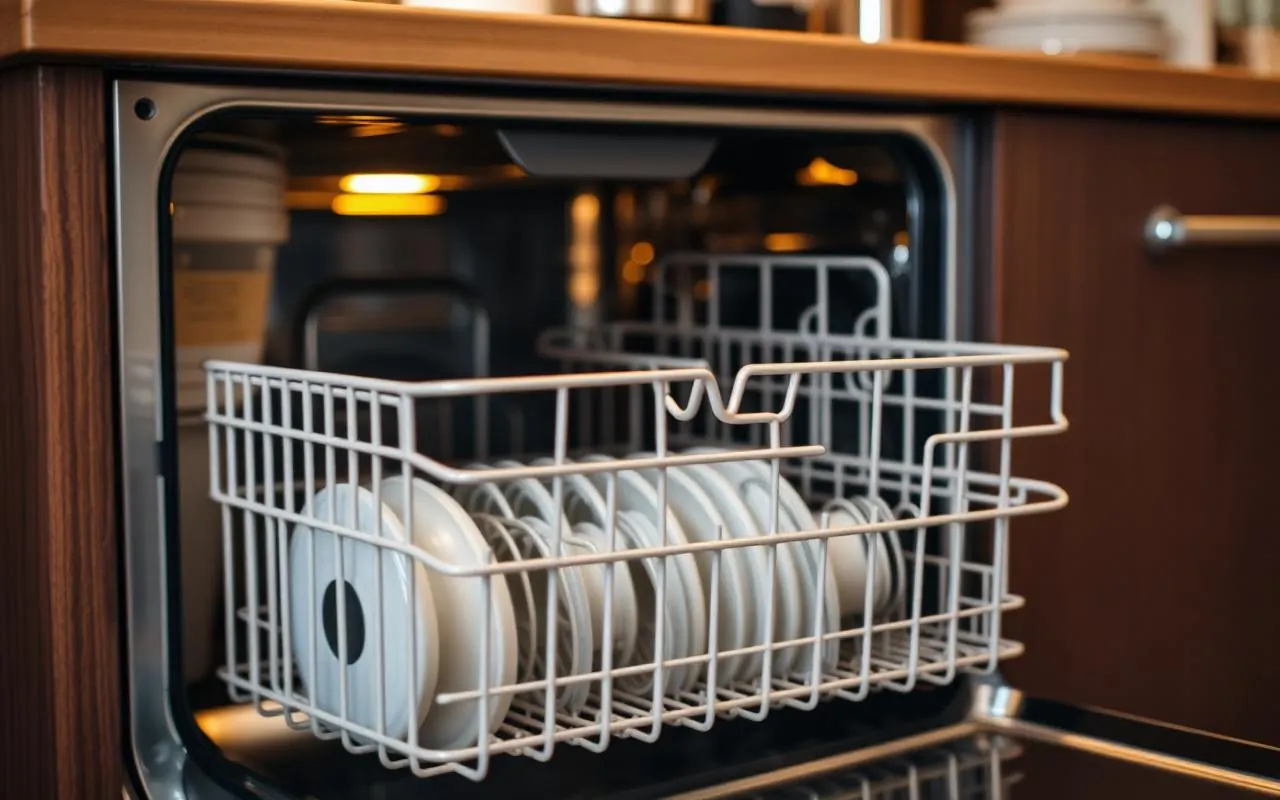
Dishwasher Maintenance Checklist for Cleaner, Longer-Lasting Appliances
Use this dishwasher maintenance checklist for filters, spray arms, seals, drainage, racks, cleaning cycles, warning signs, and model-specific care.
Disclaimer: Pricing reflects US national averages as of the publication date and varies by region, brand, and labor rates. This article is informational and does not replace professional inspection or repair advice. See our full disclaimer.