Appliance Maintenance for Rental Properties: Landlord Guide
Written by
Editorial Team
Research and editorial staff
Dates
Published
Last updated
What changed: Expanded the rental maintenance guide with intake, access, vendor, turnover, and replacement-planning procedures.
Checked by our editors.How we estimate repair costsEditorial policy
Sources
- Overheated Clothes Dryers Can Cause Fires — U.S. Consumer Product Safety Commission
- Clothes Dryer Safety Tip Sheet — National Fire Protection Association
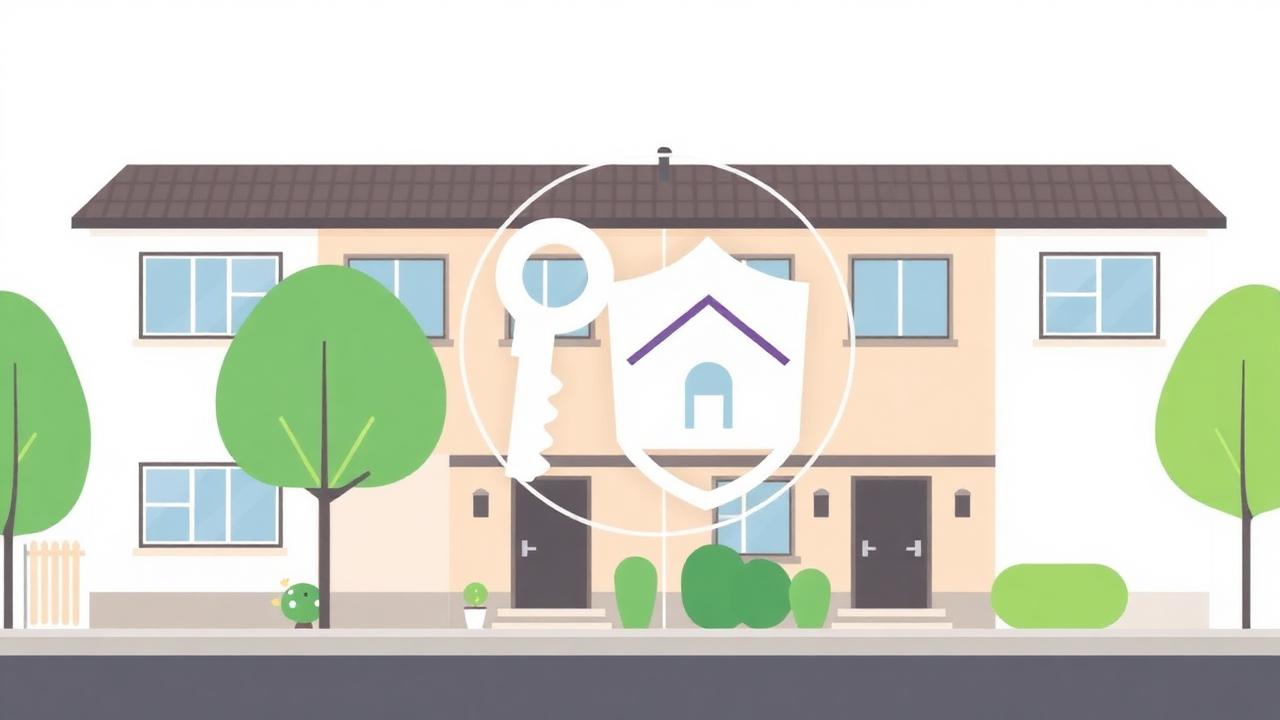
Rental appliance maintenance protects occupants, the building, and the owner’s investment. A dishwasher leak can damage cabinets and flooring; a blocked dryer vent can create a fire risk; a failed refrigerator can spoil food. A useful program combines documented condition, preventive work, and a reporting process that escalates hazards quickly.
Local landlord-tenant law, housing codes, lease terms, access and notice rules, manufacturer instructions, and appliance ownership determine actual duties. This guide is not a universal statement of landlord or tenant responsibility.
Create an appliance inventory
For each unit, record appliance type, brand, model, serial number, fuel or power type, location, installation date if known, warranty, manual, approved service company, and shutoff location. Photograph the rating plate, appliance, visible connections, hoses, and vent path at move-in.
A useful inventory should quickly answer whether a dryer is gas or electric, where its vent terminates, which dishwasher filter is installed, and who is authorized to service built-in equipment. Record access constraints such as stacked laundry, roof termination, locked utility space, narrow cabinetry, or a shutoff in another unit.
Use the inventory to standardize filters and common parts only when the exact models permit it. Similar-looking cartridges, racks, hoses, and screens may not be interchangeable. Record the manufacturer part number and source rather than relying on a photograph alone.
Define responsibilities in writing
Use plain lease or handoff language for routine tasks such as cleaning a dryer lint screen, avoiding overloads, using approved detergent, and reporting leaks or gas odor. Define who schedules filter replacement, full dryer-vent cleaning, plumbing work, and repairs.
Do not rely on a vague “all maintenance” clause or ask occupants to improvise with gas lines, electrical panels, concealed ducts, structural access, or internal appliance parts. Use qualified providers where the appliance design, risk, contract, or local law requires them.
Provide instructions in a format occupants can keep. Include the reporting channel, after-hours process, model-specific limits, and conditions that require stopping use. Translate or adapt instructions when required for effective communication and legal compliance.
Document move-in condition
Test each supplied appliance under a safe, repeatable checklist:
- Dishwasher: fill, spray, drain, latch, filter presence, and leakage
- Dryer: lint screen, drum, visible duct, exterior flap, heat, and fuel type
- Oven/range: burners or elements, controls, door, glass, hood, and flame behavior
- Refrigerator: measured cooling, gaskets, shelves, lights, and water functions
- Washer: fill, drain, spin, vibration, visible hoses, and leaks
Record the test, date, person, photographs, and unresolved work. Give occupants model-specific operating information where possible. Do not represent a quick operational test as a professional safety certification. If a symptom appears during turnover, resolve it before occupancy when required rather than relying on a future work order.
Prioritize dryer vent management
The CPSC warns that lint can restrict airflow and cause excessive heat buildup. Management should know the complete route, termination, material, prior cleaning date, and access needs. Cleaning a lint screen after every load does not replace full-duct inspection.
Set an interval based on usage, vent length and bends, building design, symptoms, local requirements, and manufacturer instructions. Keep invoices, reports, and photographs. Long drying, weak exterior airflow, escaped lint, overheating, or a burning odor requires prompt escalation. A tenant should not be assigned inaccessible wall or roof duct cleaning without authorization and proper equipment.
For shared laundry, post lint-screen instructions and define who checks the area between scheduled services. Record machine identification so a report is tied to the correct dryer. Keep storage, carts, and discarded clothing away from equipment and vent openings.
Prevent water damage
During lawful visits, inspect accessible washer and dishwasher hoses, drain connections, shutoff valves, refrigerator lines, cabinets, and floors. Look for droplets, mineral deposits, corrosion, staining, swelling, or mildew odor. Trace the source rather than assuming every damp area comes from the appliance.
Do not conceal recurring leakage with caulk or towels. Take the appliance out of service when necessary, limit further damage, arrange the appropriate appliance or plumbing repair, and record the report, response, action, and resolution.
A small intermittent mark deserves documentation. Photograph the location, record whether the appliance was operating, and recheck after the repair. Water may travel beneath flooring or cabinets, so the visible puddle may not identify the failed connection.
Manage ranges and ovens safely
Keep combustible storage away from cooking appliances. Check controls, door closure, hood condition, and burner or element behavior. Gas odor, abnormal flame, sparks, cracked glass, electrical burning, or repeated breaker trips need urgent attention. Provide location-specific instructions for leaving the property and contacting the gas utility or emergency services.
Do not ask a tenant to relight, disassemble, calibrate, or test a gas appliance unless that action is explicitly appropriate under the model instructions and local rules. Built-in anti-tip, electrical, gas, and ventilation requirements should be handled by qualified installers or service providers.
Build a reporting process tenants will use
Give occupants one clear reporting channel and define emergencies. Ask for appliance, model if visible, symptom, start time, error code, photos, and whether water, smoke, gas, dangerous heat, or electricity is involved. Do not place a gas odor, active leak, sparking, or burning smell in a routine queue.
Train staff not to diagnose from a photograph or promise a universal response time. The intake process should identify immediate protective action, the trade required, access needs, and whether the appliance must remain out of service. Record each contact and status update.
At every service call, note visible condition, cords, hoses, vents, odors, and reported symptoms. Use a lawful quarterly, semiannual, annual, and move-out review based on risk rather than assuming one universal schedule.
Manage access and service vendors
Follow applicable notice and entry rules. Confirm appointments, unit access, pets, parking, shutoff locations, and whether an occupant must be present. Give the provider the model, symptoms, photos, prior repairs, and known safety concerns before dispatch when practical.
Verify licensing, insurance, and qualifications when required. Ask for a written diagnosis, parts installed, test results, restrictions, and next actions. Do not close the work order until unresolved items are assigned and the return-to-service decision is documented.
Keep records and plan replacement
Record property, unit, appliance, date, task, condition, parts, technician, cost, tenant notice, status, and next due date. Repeated leaks, unavailable parts, unsafe wiring, recurring overheating, downtime, and rising repair spending should prompt planned replacement review. See the appliance repair vs replacement guide.
Compare more than the latest invoice. Consider age, recurrence, water or fire exposure, parts availability, installation changes, energy use, expected downtime, and potential property damage. A planned replacement can be easier to schedule than an emergency installation, but current hazards still require immediate action.
Provide a new-tenant handoff sheet with operating limits, cleaning expectations, emergency contacts, and shutoff locations. At move-out, compare the documented condition, confirm supplied parts are present, test operation safely, and preserve evidence under applicable law rather than assuming every defect is tenant-caused.
Related guides
- Best Home Warranty for Rental Property
- Appliance Maintenance Checklist
- Appliance Maintenance Records Template
Disclosure: This is general information, not legal or property-management advice. Local law, codes, lease terms, notice requirements, and manufacturer instructions control. Use qualified service for gas, electrical, concealed-duct, or structural work.
Frequently asked questions
Related guides
Appliance Maintenance Records Template: Free Checklist and Log
Copy a free appliance maintenance records template with appliance profiles, event logs, monthly checks, service-call fields, and a dedicated dryer vent record.
Appliance Maintenance Schedule by Month: A 12-Month Checklist
Use this adaptable 12-month appliance maintenance schedule for filters, hoses, vents, seals, cleaning, safety checks, records, and seasonal reminders.
Dishwasher Maintenance Checklist for Cleaner, Longer-Lasting Appliances
Use this dishwasher maintenance checklist for filters, spray arms, seals, drainage, racks, cleaning cycles, warning signs, and model-specific care.
Disclaimer: Pricing reflects US national averages as of the publication date and varies by region, brand, and labor rates. This article is informational and does not replace professional inspection or repair advice. See our full disclaimer.