Dryer Not Heating Repair Cost: Diagnosis Guide
Written by
Editorial Team
Research and editorial staff
Dates
Published
Last updated
What changed: Published a safety-first dryer heating cost guide covering diagnosis, venting, utilities, repair scope, coverage, and replacement decisions.
Checked by our editors.How we estimate repair costsEditorial policy
Sources
- Clothes dryer fire safety — U.S. Fire Administration
- Clothes dryers — ENERGY STAR
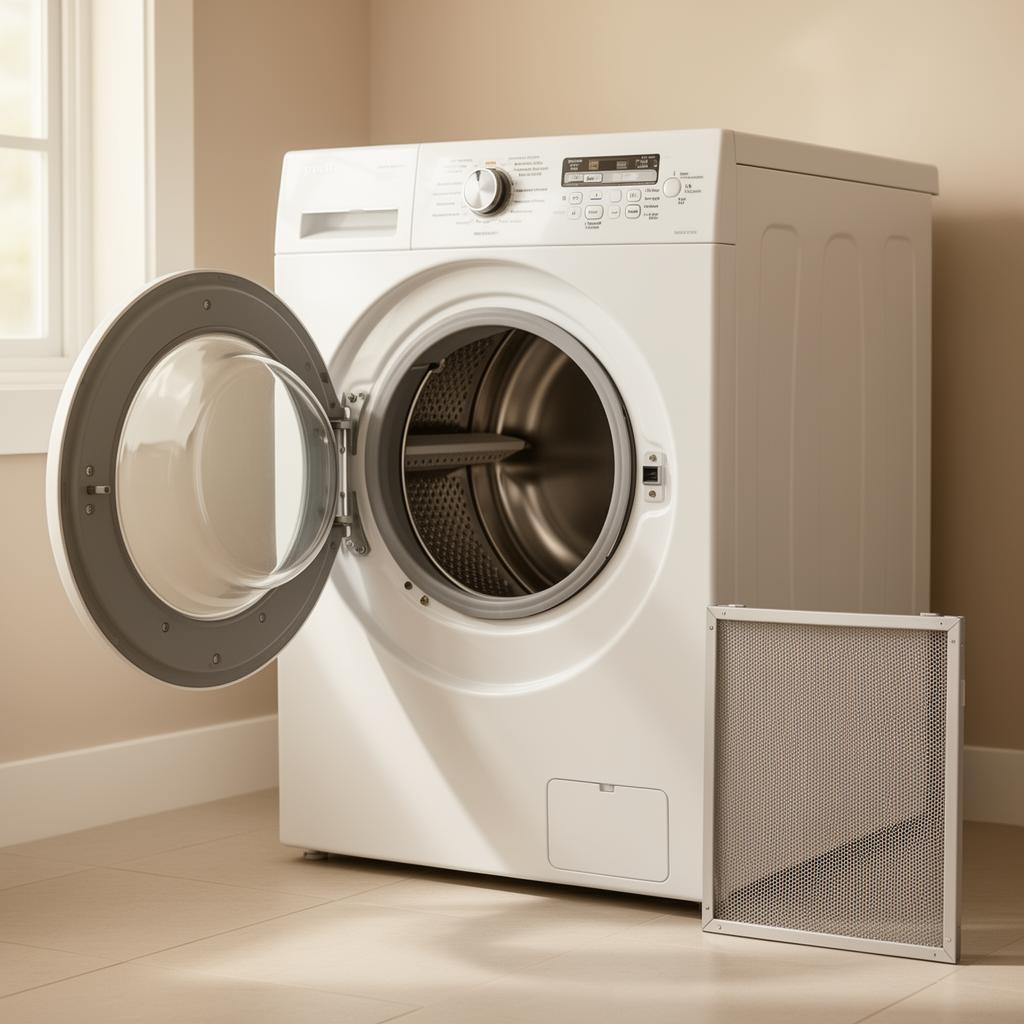
A dryer that tumbles without producing expected heat can have an appliance fault, a utility problem, an airflow restriction, an installation issue, or a control setting that is working as designed. The likely causes differ between electric, gas, heat-pump, ventless, and combination units, so there is no dependable repair price based only on the phrase “dryer not heating.”
Begin with safety and the exact model. Then obtain a diagnosis that separates the dryer from the electrical supply, gas supply, exhaust system, and room installation. A complete estimate should address the confirmed cause rather than replacing a commonly blamed part.
Identify the dryer type
Record the manufacturer, complete model and serial number, purchase date, fuel or heat source, installation style, and whether the unit is stacked or built in. Note whether it is vented outdoors, ventless, heat-pump, or part of a washer-dryer combination.
An electric resistance dryer, gas dryer, and heat-pump dryer create heat differently. Their safety procedures, components, test methods, and labor requirements are not interchangeable. Use the official manual and service provider qualified for the exact equipment.
Describe the symptom
Useful details include a cold drum, intermittent heat, slow drying, unusual heat, early cycle ending, error codes, breaker trips, odors, smoke, or a problem that began after moving, installation, vent cleaning, or electrical work.
Record the selected cycle, load type, approximate run time, and whether the problem occurs consistently. Do not keep operating a machine that shows a serious safety symptom merely to collect evidence.
Immediate safety checks
Stop the dryer and follow emergency guidance for smoke, fire, arcing, burning odor, visible wiring damage, severe overheating, or gas odor. Leave a suspected gas area and contact the gas utility or emergency service from a safe location as directed.
The U.S. Fire Administration advises cleaning the lint filter before and after loads, cleaning the back of the dryer where lint can build up, and checking the venting system. Dryer exhaust should not be ignored when performance changes.
Do not bypass thermal protection, operate with panels removed, probe energized high-voltage circuits, or attempt gas work without appropriate qualifications.
Approved owner-level checks
Follow the use-and-care manual. Confirm the cycle is intended to use heat; air-only, delicate, eco, or sensor-controlled settings may behave differently. Check that controls are not locked and that an error or alert is not being overlooked.
Clean the lint screen as directed. Inspect the accessible exhaust outlet and exterior termination for obvious restriction without disconnecting or dismantling unsafe sections. Avoid crushing flexible duct behind the appliance.
For an electric dryer, a drum may turn even when the heating supply is incomplete. Do not remove covers or test the circuit unless qualified. For a gas dryer, do not attempt to adjust valves or ignition components. Contact the appropriate professional when a utility issue is possible.
Airflow can imitate a heating problem
Restricted venting can lengthen drying time, alter temperature cycling, overheat components, and increase fire risk. The vent route, material, length, bends, termination, lint accumulation, and shared or improper connections all matter.
Ask whether the technician's diagnosis includes airflow or exhaust evaluation and whether vent service is separate from appliance repair. Replacing a heater or safety device without correcting an airflow cause can lead to repeat failure.
A dryer that is hot but leaves clothes damp may have a different problem from one that produces no heat at all.
Possible electric-dryer causes
Depending on the design, a technician may evaluate household electrical supply, terminal connection, power cord, heating element, thermal protection, thermostat, temperature sensor, airflow, motor switch, relay, timer, control, wiring, cycle selection, and moisture sensing.
This is not a parts-replacement list. Safety devices may open because of another condition. The diagnosis should identify why a component failed and whether the underlying cause has been corrected.
Possible gas-dryer causes
A qualified technician may examine gas supply, shutoff position, ignition sequence, igniter, flame sensing, valve coils, burner condition, airflow, thermal protection, controls, and wiring according to the model procedure.
Gas work has fire, explosion, and carbon-monoxide risks. Do not use an open flame to test for leaks or bypass ignition and safety systems. If gas odor is present, follow utility emergency instructions.
Heat-pump and ventless dryers
Heat-pump and condensing dryers can have filters, heat exchangers, condensate systems, sensors, compressors, fans, refrigerant circuits, and software-controlled operating patterns. Drying temperatures may differ from conventional equipment.
Review the exact manual for filter and heat-exchanger maintenance. A qualified diagnosis may be needed when airflow, drainage, sensing, refrigeration, or control faults are suspected. Do not assume that a conventional heating-element estimate applies.
What changes the repair cost
The diagnosed component is only one cost driver. Total price can also depend on diagnostic fees, local labor, model complexity, part availability, shipping, number of visits, stacked access, moving, vent correction, electrical or gas trade work, tax, disposal, and post-repair testing.
Ask whether the technician can complete the repair during the first visit or must return after sourcing a part.
Request a written diagnosis and estimate
The report should state what failed, the tests supporting the finding, whether airflow or utilities contributed, the exact part number, repair procedure, labor, access, complete total, exclusions, expected completion time, and warranty.
An estimate that says only “replace heater” does not explain whether the heater was tested or why it failed.
Diagnostic fee and authorization
Confirm the service-call amount before booking and whether it covers travel, diagnosis, or both. Ask if the fee is applied to an approved repair and whether a return visit creates another charge.
Do not compare companies only by the initial fee. Compare the total required to complete the same diagnosed repair, including part grade, access, testing, and warranty.
Manufacturer and retailer coverage
Check the written manufacturer warranty, retailer protection plan, credit-card benefit, recall information, and prior repair warranty. Coverage may require authorized service and advance approval.
Keep proof of purchase, model information, error codes, photographs, and the diagnosis. A no-heat symptom does not automatically prove a covered component or cause.
Home-warranty coverage
A service contract may cover a listed dryer and eligible failure, subject to effective date, cause, maintenance, installation, limits, exclusions, service fees, and authorization. Venting, external utilities, cosmetic parts, secondary damage, or code upgrades may be treated separately.
Read the actual agreement. Confirm whether the administrator can choose repair, replacement, reimbursement, or settlement and how non-covered access or installation charges are handled.
Repair versus replacement
Compare the complete repair with the installed replacement cost. Include delivery, haul-away, stacking kit, vent materials, gas connector, electrical cord, outlet or circuit work, permits, cabinet fit, and laundry disruption.
Also consider current condition, previous repairs, drum and bearing condition, controls, rust, parts support, repair warranty, efficiency, capacity, and household needs. A clear contained fault on an otherwise sound dryer can favor repair. Multiple problems, unavailable parts, or major installation changes can shift the decision.
Avoid automatic age or percentage rules. A stacked installation or specialty dryer can make replacement more complicated than the retail price suggests.
Preventing repeat problems
Follow the manufacturer instructions for lint-filter cleaning, vent material, exhaust length, load size, cycle selection, and maintenance. Have the exhaust system evaluated when airflow is poor or the route is inaccessible.
Do not cover warnings by resetting protection repeatedly. If a repaired safety component fails again, stop use and request root-cause evaluation.
Questions for the technician
- Is the problem inside the dryer, in the utility supply, or in the vent?
- What tests confirm the diagnosis?
- Why did the component fail?
- Is the exhaust configuration safe?
- Is specialized gas or electrical work required?
- Must the dryer be moved or unstacked?
- Are reinstallation and testing included?
- How many visits are expected?
- What warranty applies?
- What is the complete total?
Related guides
- Dryer Repair Cost Guide
- Repair or Replace a Dryer?
- Average Appliance Repair Cost by Type
- Appliance Maintenance Checklist
Disclosure: This guide is general information, not a diagnosis or local quote. Follow the appliance manual and use qualified professionals for gas, high-voltage, and safety-critical work.
Frequently asked questions
Related guides
Dryer Repair Cost Guide
Estimate clothes-dryer repair cost using a written diagnosis, model-specific parts, local labor, fuel type, vent condition, access, warranty, and replacement quotes.

Appliance Maintenance Records Template: Free Checklist and Log
Copy a free appliance maintenance records template with appliance profiles, event logs, monthly checks, service-call fields, and a dedicated dryer vent record.

Appliance Maintenance for Rental Properties: Landlord Guide
Build a rental-property appliance maintenance program with inventories, inspections, tenant reporting, dryer vent care, leak prevention, records, and replacement planning.
Disclaimer: Pricing reflects US national averages as of the publication date and varies by region, brand, and labor rates. This article is informational and does not replace professional inspection or repair advice. See our full disclaimer.