Best Home Warranty for Appliances: 2026 Comparison Guide
Written by
Editorial Team
Research and editorial staff
Dates
Last updated
What changed: Expanded the contract-first comparison beyond 1,000 words without restoring unsupported provider rankings, prices, ratings, caps, or evaluation claims.
Checked by our editors.How we estimate repair costsEditorial policy
Sources
- American Home Shield plans — American Home Shield
- Choice Home Warranty — Choice Home Warranty
- Cinch Home Services — Cinch Home Services
- Liberty Home Guard — Liberty Home Guard
- Select Home Warranty — Select Home Warranty
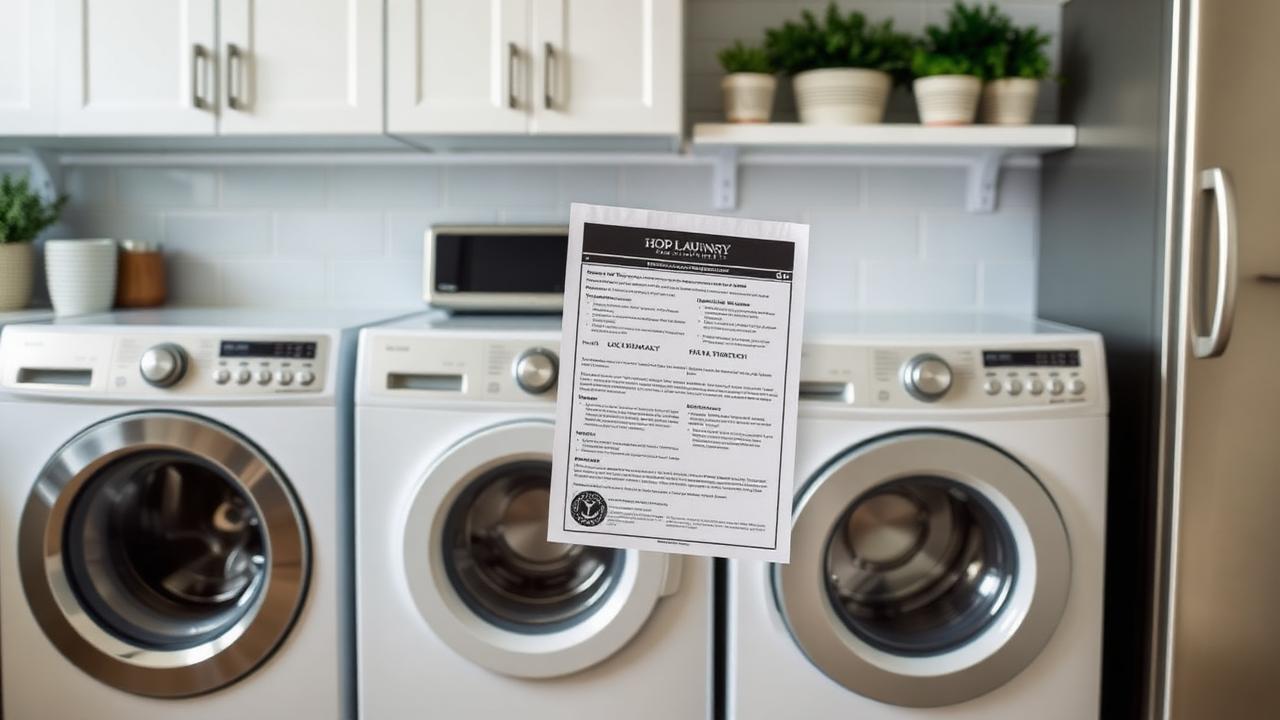
A provider name cannot determine the best appliance home warranty for every household. Plans can vary by state, address, enrollment channel, effective date, renewal, and selected options. The useful comparison is between current written agreements and quotes for the same property.
Start with the appliances you own and the risks you want to transfer. Then compare providers using identical criteria. A ranking that does not identify the contract version, location, date, and scoring method should not substitute for your own review.
Build a home appliance inventory
Record one row for each appliance:
- Appliance type
- Brand and full model number
- Serial number
- Location
- Approximate purchase or installation date
- Current condition
- Known symptoms or prior repairs
- Manufacturer or retailer coverage
- Installed replacement constraints
Include second refrigerators, freezers, separate cooktops, wall ovens, laundry pairs, and specialty products. A broad phrase such as “appliance coverage” may not include every item or quantity.
Obtain the correct documents
For each provider, collect:
- A dated written quote for the property address
- The complete sample agreement for the applicable state and plan
- Add-on descriptions
- Service-fee options
- Cancellation and renewal terms
- Any promotional conditions
Save copies. Websites and offers can change, and a general plan page may not be the final contract.
Compare covered appliances
Check whether the plan includes the primary refrigerator, dishwasher, disposal, oven, range, cooktop, microwave, washer, dryer, and any additional or specialty units.
Confirm whether built-in and portable versions are treated differently. A plan might define a microwave by installation type, distinguish one refrigerator from an additional unit, or require an add-on for laundry appliances.
Do not assign value to coverage for items you do not own.
Compare covered components
A listed appliance does not establish that every component qualifies. Review the component language and exclusions for:
- Compressors and sealed systems
- Motors, pumps, bearings, tubs, and drums
- Controls, sensors, displays, and electronic modules
- Heating elements and ignition systems
- Ice makers and water dispensers
- Doors, seals, glass, racks, shelves, handles, and trim
- Hoses, valves, filters, and accessories
Some agreements list covered parts; others use broader language followed by exclusions. Read both sections together.
Eligible causes of failure
Check how the contract treats ordinary use, wear, defects, accidental damage, misuse, commercial use, power events, rust, corrosion, scale, pests, moisture, environmental conditions, improper installation, maintenance, and unauthorized repair.
A covered component can still result in an ineligible claim when the cause falls under an exclusion. Ask for clarification in writing when definitions are unclear.
Effective dates and waiting periods
Record the purchase date, contract date, effective date, end date, and any waiting period. An appliance that fails before coverage begins may not qualify.
If a provider offers a real-estate plan, continuation exception, or prior-coverage waiver, obtain the specific effective date and exception in writing. A waiver of time does not necessarily cover an already known problem.
Existing-condition language
Review definitions of known, unknown, pre-existing, and detectable conditions. Some agreements use inspection findings, maintenance records, or technician observations when applying these terms.
Do not buy a plan expecting it to pay for an appliance that is already broken or showing symptoms. Keep accurate inspection, repair, and condition records.
Service fees and deductibles
Pricing should include more than the premium. Determine whether the service fee applies per request, visit, appliance, trade, or issue. Ask whether another fee is due when a technician returns, a different provider is assigned, or a claim is denied.
Compare each provider under the same scenarios rather than treating a lower monthly price as automatically cheaper.
Coverage limits
Look for per-item, per-component, per-event, annual, and aggregate limits. Add-ons may have separate limits.
Ask whether diagnosis, labor, parts, shipping, refrigerant, tax, access, and prior claims reduce the benefit. Compare the usable limit with the complete local cost of repair or installed replacement for your actual appliance.
Contractor network and service access
Verify that service is available at the property address and for the brands or product categories you own. Ask:
- Who selects the technician?
- Can you request a different provider?
- Is outside service allowed with authorization?
- What happens if no network provider is available?
- Is a second opinion available?
- Who pays diagnosis after a denial?
- How are callbacks and repeat visits handled?
A large advertised network does not establish availability for a specific address or specialty appliance.
Repair, replacement, and cash settlement
The administrator may retain the right to choose repair, replacement, reimbursement, store credit, cash settlement, or another remedy. Review how value is calculated.
Determine whether replacement includes:
- Delivery
- Haul-away
- Installation and reconnection
- Cords, hoses, pans, vents, or mounting kits
- Trim, handles, and custom panels
- Cabinet or countertop changes
- Electrical, gas, water, or drainage work
- Permits, code upgrades, and taxes
For built-in and panel-ready appliances, excluded project costs can be substantial.
Maintenance and installation requirements
Check whether the agreement requires maintenance records or excludes damage linked to poor maintenance or installation. Use manufacturer manuals for the exact model rather than generic advice.
Installation concerns can include ventilation, electrical supply, gas connections, water pressure, drainage, leveling, clearances, and cabinet fit. Keep installation invoices and service records where available.
Compare total cost
For each plan, calculate:
- Premium over the comparison period
- Add-on cost
- Likely service fees
- Excluded expenses
- Amounts above relevant limits
- Renewal price if known
- Cancellation costs
Run several scenarios:
- No claim
- One covered repair
- One denied diagnosis
- Multiple visits for one issue
- A repair above the item limit
- An unrepairable appliance
These scenarios reveal how the contract works. They do not predict future failures or savings.
Compare current providers consistently
The official provider links above are starting points for current materials. Apply the same worksheet to every provider and do not award points for vague marketing statements.
Use a table with columns for covered item, important components, exclusions, effective date, service fee, limit, contractor process, replacement method, and total quote. Mark unknown items and request written answers.
Refrigerator coverage
For refrigeration, examine sealed-system definitions, compressor terms, associated labor, refrigerant, leak detection, fans, sensors, defrost equipment, controls, ice makers, dispensers, food-loss benefits, and local sealed-system service.
Confirm whether additional refrigerators or freezers require an add-on and whether garage location affects eligibility.
Laundry coverage
For washers and dryers, review pumps, motors, bearings, tubs, drums, suspension, controls, door seals, heating systems, gas components, and stacked access.
Determine whether unstacking, moving, vent work, water connections, and reinstallation are included. A covered washer component does not automatically include resulting water damage.
Dishwasher coverage
Check pumps, motors, controls, heating, racks, tub, seals, hoses, valves, and leak provisions. Panel-ready products can add removal and reinstallation work.
Clarify whether external plumbing, disposal connections, cabinetry, and flooring damage are outside the plan.
Cooking-appliance coverage
For ovens, ranges, and cooktops, inspect coverage for elements, igniters, valves, sensors, controls, induction modules, glass, wiring, convection parts, calibration, and built-in access.
Confirm qualified local service for gas, high-voltage, induction, and built-in work.
Renewal, cancellation, and transfer
Review introductory promotions against renewal pricing. Check notice requirements, automatic renewal, cancellation fee, claims deduction, and refund formula.
If the home may be sold, review transfer requirements. Do not assume the agreement follows the property automatically.
Compare with alternatives
Alternatives include manufacturer or retailer plans, credit-card benefits, direct repair, and a dedicated repair fund. Self-funding preserves unused money and provider choice but leaves you responsible for the full cost and service coordination.
Evaluate alternatives over the same time period and with the same appliances.
Final selection checklist
Before choosing a plan, confirm:
- Every important appliance is listed
- Relevant components are covered
- Exclusions are acceptable
- Effective dates are clear
- Service fees are understood
- Limits are meaningful
- Local providers are available
- Repair and replacement methods fit your expectations
- Total cost fits your budget
- Cancellation and renewal terms are acceptable
There is no universal best provider. The strongest fit is the current agreement that addresses your actual appliance risks with usable service and acceptable total cost.
Related articles
- Are Home Warranties Worth It for Appliances?
- What Appliances Does a Home Warranty Cover?
- Home Warranty vs Appliance Warranty
- Why Home Warranty Claims Get Denied
Disclosure: This article is informational. The site may earn a commission from eligible links at no additional cost to the reader. Commercial relationships do not determine the guidance.
Frequently asked questions
Related guides
Extended Warranty vs Home Warranty: 2026 Comparison
Compare extended appliance warranties and home warranties by covered items, effective dates, service fees, exclusions, limits, claims, and total cost.
Best Home Warranty for HVAC: 2026 Contract Checklist
Compare HVAC home-warranty coverage using component lists, payout limits, refrigerant terms, access costs, service fees, exclusions, and local availability.

Best Home Warranty for Older Homes: 2026 Buying Guide
Compare home warranties for older properties by coverage limits, maintenance rules, detectable conditions, rust, corrosion, code upgrades, and service availability.
Disclaimer: Pricing reflects US national averages as of the publication date and varies by region, brand, and labor rates. This article is informational and does not replace professional inspection or repair advice. See our full disclaimer.