Best Home Warranty for HVAC: 2026 Contract Checklist
Written by
Editorial Team
Research and editorial staff
Dates
Last updated
What changed: Expanded the HVAC contract checklist beyond 1,000 words without restoring unsupported provider rankings, prices, approval claims, or universal coverage statements.
Checked by our editors.How we estimate repair costsEditorial policy
Sources
- American Home Shield plans — American Home Shield
- Choice Home Warranty — Choice Home Warranty
- Cinch Home Services — Cinch Home Services
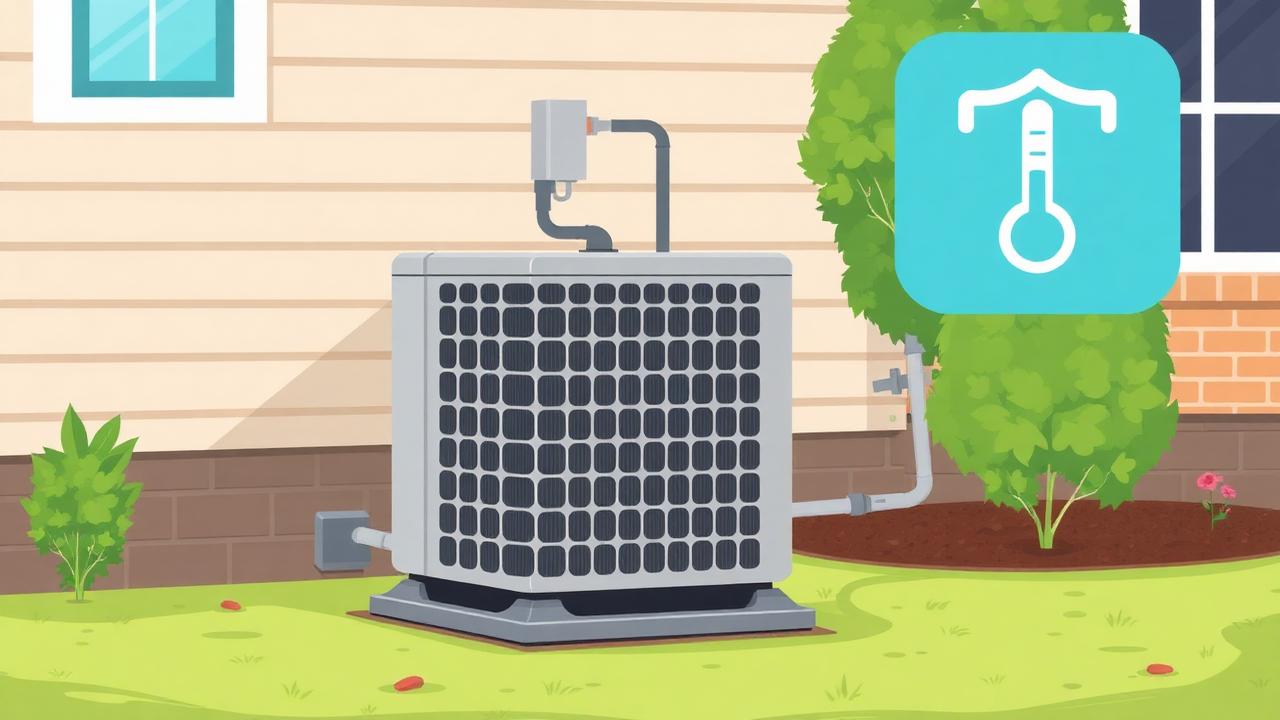
HVAC failures can produce substantial repair, comfort, safety, and scheduling problems, but those concerns do not identify a universal best home-warranty provider. The useful comparison is between current contracts for your address and the exact heating and cooling equipment installed there.
HVAC is not one item. A home can have separate furnaces, air conditioners, heat pumps, boilers, mini-splits, package units, thermostats, zone controls, ductwork, humidification equipment, and other components. A plan may cover some and exclude others.
Inventory the HVAC equipment
Record:
- Equipment type
- Brand and full model number
- Serial number
- Indoor and outdoor units
- Fuel or energy source
- Approximate installation date
- Capacity where known
- Thermostats and zone controls
- Ductwork or distribution system
- Known defects and prior repairs
- Manufacturer warranty
- Maintenance history
Photograph equipment labels while they are accessible. Matching indoor and outdoor components matters when evaluating coverage and replacement.
Obtain the correct agreement
Collect a dated written quote and complete sample agreement for the property state, plan, and enrollment channel. Save add-on terms, service-fee options, promotions, and renewal language.
Plan names can remain similar while limits and exclusions change. Do not rely on a national summary when the issued agreement governs the claim.
Confirm heating and cooling separately
Some contracts list heating and cooling as separate covered systems. Confirm each one. A plan that covers central air conditioning may not cover every heat-pump, boiler, mini-split, geothermal, hydronic, radiant, or specialty configuration.
Check quantity and location. Multiple units, guest houses, detached structures, or commercial-use equipment may require additional coverage or may be excluded.
Covered components
Review the component list for:
- Compressors
- Condenser and evaporator coils
- Blower motors and fans
- Capacitors and contactors
- Control boards and wiring
- Heat exchangers
- Burners, ignition, and gas valves
- Pumps and hydronic components
- Reversing valves and heat-pump controls
- Thermostats and zone controls
- Drainage and condensate equipment
- Refrigerant lines and metering devices
- Ductwork
Do not infer component coverage from the word “HVAC.” Read exclusions and definitions with the list.
Refrigerant terms
Refrigerant-related service can involve leak diagnosis, recovery, repair, evacuation, charging, and compatibility. Contracts may treat refrigerant quantity, leak location, line sets, conversion, disposal, and obsolete refrigerants differently.
Ask:
- Is leak detection covered?
- Are refrigerant and labor covered?
- Is there a separate refrigerant limit?
- Are line sets included?
- How are obsolete or incompatible refrigerants handled?
- Does the plan cover changes required after equipment replacement?
A compressor benefit can be less useful if associated refrigerant work is heavily limited or excluded.
Equipment matching and compatibility
Replacing one failed component may create compatibility issues with the remaining system, controls, refrigerant, electrical supply, ductwork, or efficiency requirements. The contract may cover only the failed item rather than every change needed for a complete installation.
Review language concerning matching systems, modifications, transitions, line sets, thermostats, electrical upgrades, pads, drain work, and permits. Ask how the provider handles an approved component when a compatible replacement is unavailable.
Coverage limits
Look for per-system, per-component, per-event, annual, and aggregate limits. Determine whether diagnosis, labor, parts, refrigerant, shipping, crane or roof access, permits, disposal, tax, and prior claims count toward the limit.
Compare the usable benefit with written local repair and installed replacement estimates for the actual equipment. Do not assume a headline limit equals the final payment.
Service fees
Check whether the service fee applies per request, visit, system, trade, or issue. Heating and cooling may be treated separately even when they share equipment.
Ask about repeat visits, callbacks, reassignment, after-hours work, and denied diagnoses. Confirm which charges are refunded or credited.
Local contractor availability
Verify that qualified providers serve the property and equipment type. Specialty systems can require manufacturer authorization, refrigerant capability, gas or boiler expertise, controls knowledge, or other qualifications.
Ask the warranty company:
- Is a provider available for this equipment?
- What happens during extreme weather?
- Is emergency or after-hours service included?
- Can outside service be authorized?
- Is a second opinion available?
- Who pays diagnosis when a claim is denied?
Do not treat an advertised network size as evidence of local availability.
Authorization process
Many plans require the administrator to assign or approve the contractor before work begins. Independent emergency work can affect eligibility.
Learn the procedure before a breakdown. Save claim numbers and written approvals. For dangerous conditions—such as gas odor, smoke, electrical hazards, carbon-monoxide concerns, flooding, or extreme temperature risk—follow emergency and public-safety guidance first, then document and notify the plan.
Existing conditions and waiting periods
Record the effective date and any waiting period. Review definitions of known, unknown, pre-existing, and detectable conditions.
Keep inspection reports, prior service records, maintenance history, and disclosures. These documents can establish a timeline but may also document a problem that began before coverage.
A newly purchased plan should not be assumed to cover a system that is already malfunctioning.
Maintenance requirements
HVAC agreements may require maintenance or exclude failures attributed to neglect. Review the exact contract and manufacturer instructions.
Keep invoices for professional service and dated records for owner tasks such as filter changes where applicable. Maintenance records do not guarantee approval, but they can clarify history.
Avoid claiming maintenance that was not performed. If denial relies on maintenance, request the technician's finding and contract language in writing.
Access and specialty costs
Equipment can be located in attics, crawlspaces, roofs, closets, mechanical rooms, or restricted areas. Service may require ladders, cranes, additional technicians, platform work, demolition, or restoration.
Check whether the contract covers access, opening walls or ceilings, roof work, asbestos or hazardous-material handling, and restoration. These costs can be outside the HVAC benefit.
Code upgrades and permits
Repair or replacement may trigger permits, inspections, electrical changes, drainage work, equipment pads, ventilation, combustion-air requirements, or code upgrades. Contracts vary in how they handle these items.
Ask whether code coverage has a separate limit and whether permit, testing, and inspection fees are included. A replacement approval can leave a large uncovered installation scope.
Repair, replacement, and settlement
The administrator may decide whether to repair, replace, reimburse, or offer cash. Review how replacement equipment and settlement value are selected.
Confirm whether the benefit includes:
- Indoor and outdoor components
- Thermostat and controls
- Refrigerant and lines
- Electrical disconnect and wiring
- Drainage
- Duct transitions
- Equipment pad or supports
- Removal and disposal
- Permits and inspection
- Labor and commissioning
Do not assume “replacement” means a complete matched system.
Ductwork and indoor air quality accessories
Duct coverage may exclude registers, grilles, dampers, insulation, inaccessible sections, improperly sized systems, or damage from pests or environmental conditions. Read the definitions.
Humidifiers, dehumidifiers, air cleaners, UV devices, and ventilation equipment may not be part of standard HVAC coverage. Check each accessory separately.
Compare providers consistently
Use the official links above to request current materials, then apply one worksheet:
- Covered equipment
- Covered components
- Refrigerant
- Limits
- Fees
- Exclusions
- Local service
- Authorization
- Replacement method
- Access and code work
- Cancellation and renewal
Mark unknown terms. Written clarification is more useful than a general provider ranking.
Scenario testing
Model:
- No claim
- A covered electrical or control repair
- A refrigerant leak
- A denied diagnosis
- A major component above the limit
- An unavailable compatible part
- Complete system replacement
- No network provider during extreme weather
Estimate out-of-pocket cost and timing using the contract and local quotes. Do not use unsupported national savings assumptions.
Compare with self-funding
A dedicated HVAC reserve provides provider choice and keeps unused money, but it leaves the household responsible for the full repair or replacement. A service contract can reduce some eligible risk but adds premiums, fees, restrictions, and claim uncertainty.
Compare both strategies using the condition and installed replacement exposure of your actual equipment.
Final selection checklist
Before purchasing, confirm:
- Exact systems and quantities are eligible
- Relevant components are covered
- Refrigerant terms are acceptable
- Limits are meaningful
- Local qualified service is available
- Fees and authorization are clear
- Existing-condition and maintenance rules are understood
- Access, code, and permit gaps are manageable
- Replacement provisions match expectations
- Renewal and cancellation terms are acceptable
The best HVAC warranty is the contract that provides useful, usable protection for your equipment—not the provider with the strongest generic marketing claim.
Related articles
- Best Home Warranty for Older Homes
- Home Warranty Waiting Period
- Why Claims Get Denied
- Cheapest Home Warranty
Disclosure: This article is informational. The site may earn a commission from eligible links at no additional cost to the reader. Commercial relationships do not determine the guidance.
Frequently asked questions
Related guides
Best Home Warranty for Appliances: 2026 Comparison Guide
Learn how to compare appliance home warranties by covered components, payout limits, service fees, exclusions, contractor rules, and total cost.

Best Home Warranty for Older Homes: 2026 Buying Guide
Compare home warranties for older properties by coverage limits, maintenance rules, detectable conditions, rust, corrosion, code upgrades, and service availability.

AHS Waiting Period: What to Verify in 2026
Learn how to verify American Home Shield effective dates, waiting periods, real-estate terms, renewals, add-ons, and early claims before buying.
Disclaimer: Pricing reflects US national averages as of the publication date and varies by region, brand, and labor rates. This article is informational and does not replace professional inspection or repair advice. See our full disclaimer.