What Appliances Does a Home Warranty Cover?
Written by
Editorial Team
Research and editorial staff
Dates
Published
Last updated
What changed: Expanded the contract-specific coverage guide beyond 1,000 words without restoring unsupported standard-plan, price, cap, or claim-process assertions.
Checked by our editors.How we estimate repair costsEditorial policy
Sources
- Federal Trade Commission consumer advice — Federal Trade Commission
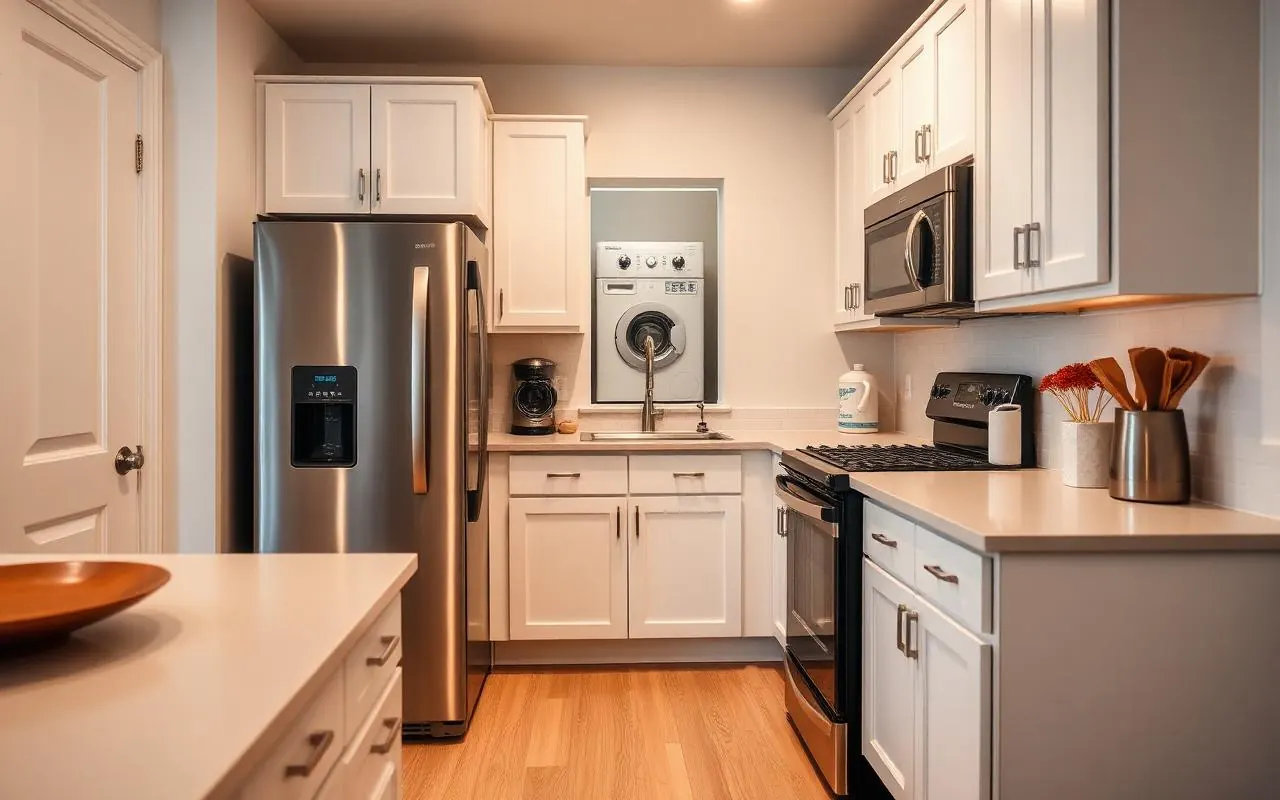
“Appliance coverage” is a category label, not a promise that every appliance, component, and failure in a home qualifies. The contract issued for the property, provider, plan, and effective date determines the actual benefit.
Plan summaries are useful for screening options, but they can omit definitions, component lists, limits, exclusions, and service requirements. Always obtain the complete agreement before buying or relying on coverage.
Appliances to check individually
Do not stop after confirming an “appliance plan.” Search the agreement for each item you own:
- Primary refrigerator
- Additional refrigerator or garage unit
- Standalone freezer
- Ice maker
- Wine or beverage cooler
- Dishwasher
- Garbage disposal
- Trash compactor
- Oven
- Freestanding or slide-in range
- Cooktop
- Built-in, over-the-range, or countertop microwave
- Clothes washer
- Clothes dryer
- Combination laundry unit
- Other specialty appliances
An item may be included in one plan, available only by add-on in another, or excluded entirely. Location and installation type can matter. A contract may treat a primary kitchen refrigerator differently from a second unit in a garage.
Confirm the definition of each appliance
The ordinary meaning of an appliance name may not match the contract. A “refrigerator” could exclude a standalone ice maker, secondary unit, wine section, water dispenser, or certain electronic accessories. “Range” may not include a separate cooktop or wall oven. “Microwave” may be limited by installation type.
Read the definitions and covered-items section together. If the language is unclear, ask the provider in writing and save the response with the agreement.
Covered item does not mean every component
A contract can list an appliance while excluding selected parts. Review whether coverage is based on named components or an exclusionary approach.
For a refrigerator, examine language concerning compressors, sealed systems, fans, sensors, controls, ice makers, dispensers, filters, shelves, handles, doors, gaskets, and interior liners. For a dishwasher, look for pumps, motors, racks, seals, tubs, controls, hoses, and plumbing connections.
For laundry and cooking equipment, check motors, bearings, tubs, drums, controls, doors, glass, burners, ignition systems, induction modules, knobs, trim, and accessories. Do not infer component coverage from the appliance name alone.
Eligible causes of failure
Coverage often depends on why a component failed. Read how the agreement treats ordinary use, defects, accidental damage, misuse, power events, water events, rust, corrosion, pests, environmental conditions, installation, maintenance, and existing problems.
A covered component can still produce an ineligible claim if the reported cause falls under an exclusion. Conversely, a plan that specifically includes a cause excluded elsewhere may provide a limited exception. The full document controls.
Effective dates and waiting periods
Confirm the purchase date, contract date, effective date, expiration date, and any waiting period. These dates may differ. Coverage can also depend on renewal, payment status, property transfer, or continuous service.
Create a simple timeline and record when symptoms began. Do not assume a new agreement will cover an appliance that is already broken or deteriorating.
Existing or detectable conditions
Review definitions of pre-existing, known, unknown, and detectable conditions. Some agreements use inspection, service records, photographs, or technician observations when evaluating whether a problem existed before coverage.
Keep honest records of appliance operation, known defects, prior diagnoses, and repair history. Documentation may clarify timing, but it does not override an exclusion or guarantee approval.
Maintenance and installation
A contract may exclude damage attributed to maintenance, improper installation, code issues, blocked airflow, drainage, utility supply, or external plumbing and electrical conditions.
Locate the manufacturer manual for each appliance. Keep installation invoices and maintenance records where available. For a claim, avoid describing generic maintenance that was not actually performed. Provide accurate documents and let the administrator apply the contract.
Primary versus additional appliances
Some plans distinguish a primary refrigerator, one washer, one dryer, or one kitchen setup from additional units. An extra refrigerator, freezer, laundry pair, outdoor appliance, or guest-house item may require separate coverage.
Check quantity, location, capacity, use, and installation restrictions. Commercial use, shared facilities, short-term rentals, detached structures, or nonresidential locations may be treated differently.
Built-in and portable products
Built-in status can affect both eligibility and service cost. A contract may include a built-in microwave while excluding countertop units, or cover an appliance but exclude removal from cabinetry.
For every built-in item, check access, trim, panels, lifting, disconnection, reinstallation, and modifications. A repair benefit can leave substantial out-of-pocket work if these expenses are outside the agreement.
Optional add-ons
An add-on is a separate contract benefit, not simply broader marketing language. Confirm:
- Exact covered item and location
- Effective date
- Additional premium
- Service fee
- Separate coverage limit
- Component restrictions
- Eligible causes and exclusions
- Renewal and cancellation terms
Compare the add-on with direct repair savings or another service plan. Do not assume a small monthly price or broad name makes it good value.
Systems are separate from appliances
Some plans combine appliances with heating, cooling, plumbing, electrical, water-heating, or other systems. Others separate these categories.
A refrigerator water-line problem might involve the appliance, a valve, or household plumbing. A dryer performance problem might involve the appliance or exhaust vent. A dishwasher complaint might originate in the disposal or drain connection. Determine which category applies and whether the surrounding system is covered.
Service-call fees and diagnosis
Review when a service fee is charged: per visit, request, appliance, trade, diagnosis, or contract event. Check whether another fee applies when a technician returns, when the first provider cannot complete the job, or when a claim is denied.
Ask who pays diagnosis if the failure is excluded. Confirm whether the fee is refunded when no provider is available and whether cancellation of an appointment creates a charge.
Authorization and technician choice
Many agreements require the administrator to authorize service. Using an outside technician first may affect coverage, even in an emergency.
Before a breakdown, learn:
- How to request service
- What information is required
- Whether photographs or records must be submitted
- Who selects the technician
- Whether you can request another provider
- What happens when no network provider is available
- Whether outside service can be authorized in writing
- How to escalate a disputed diagnosis
Save claim numbers, messages, technician reports, and receipts.
Coverage limits
Look for per-item, per-component, per-event, annual, and aggregate limits. Add-ons may have separate limits. Some expenses may count toward a limit even if paid directly to a provider.
Ask whether diagnosis, labor, parts, tax, shipping, refrigerant, access, installation, and disposal reduce the stated benefit. Review any lower limit tied to missing records, specific components, or settlement methods.
Repair, replacement, and cash settlement
A covered appliance that cannot be repaired does not always result in a new version of the same brand and features. The administrator may choose a comparable product, reimbursement, cash settlement, store credit, or another contract remedy.
Review who decides that repair is impractical and how settlement value is calculated. Determine whether the benefit includes:
- Delivery
- Installation
- Removal and disposal
- Reconnection
- Cabinet or countertop modification
- Trim and custom panels
- Required accessories
- Permits, code upgrades, and taxes
For premium or built-in products, compare the limit with the complete installed replacement project.
Common exclusion topics
Exclusions vary, but the agreement should be checked for:
- Cosmetic damage
- Consumables and accessories
- Shelves, drawers, racks, knobs, handles, and trim
- Accidental damage or misuse
- Commercial or prohibited use
- Improper installation or modification
- Unauthorized repair
- Maintenance-related damage
- Rust, corrosion, scale, sediment, or pests
- Power surge, fire, flood, or other external events
- Recalls or manufacturer defects handled elsewhere
- Existing or detectable conditions
- Secondary property damage
Do not describe these as universal exclusions. Confirm the language in the current agreement.
Documents to keep
Create a coverage folder with:
- Complete contract and amendments
- Plan summary
- Add-on confirmations
- Receipts and payment records
- Effective and renewal dates
- Appliance model and serial numbers
- Photographs of labels and installation
- Manufacturer warranties
- Inspection and maintenance records
- Prior repair invoices
- Claim numbers and correspondence
- Technician findings and authorization records
Good organization does not guarantee payment, but it makes the claim easier to document and review.
How to audit your plan
Use one row per appliance in a spreadsheet or checklist. Record whether the item is covered, whether an add-on is required, component restrictions, service fee, limit, important exclusions, service process, and replacement method.
Mark unknown terms and obtain written clarification. Repeat the audit at renewal because contracts and plan names can change.
Related articles
- What Does an Appliance Warranty Cover?
- Home Warranty vs Appliance Warranty
- Appliance Warranty Claims
- Why Home Warranty Claims Get Denied
Disclosure: This article is informational. Coverage varies by provider, contract, property, appliance, and jurisdiction. The site may earn a commission from eligible links, without changing our editorial standards.
Frequently asked questions
Related guides
 Most appliance repairs$100–$450
Home Warranty at Closing: 2026 Buyer Checklist
Use this closing checklist to verify who orders and pays for a home warranty, its effective date, waiting period, plan terms, escrow treatment, and exclusions.
 Most appliance repairs$100–$450
Is a Seller's Home Warranty Worth It? 2026 Checklist
Evaluate seller home-warranty listing coverage by cost, effective dates, covered items, conversion terms, cancellation rules, service fees, and exclusions.
 Most appliance repairs$100–$450
Who Pays for a Home Warranty—Buyer or Seller?
Learn how buyers and sellers negotiate home-warranty payment, plan selection, contribution limits, closing documentation, and effective dates.
Disclaimer: Pricing reflects US national averages as of the publication date and varies by region, brand, and labor rates. This article is informational and does not replace professional inspection or repair advice. See our full disclaimer.