What Does an Appliance Warranty Cover?
Written by
Editorial Team
Research and editorial staff
Dates
Published
Last updated
What changed: Expanded the contract-specific coverage guide beyond 1,000 words without restoring unsupported typical-coverage, service-fee, or replacement claims.
Checked by our editors.How we estimate repair costsEditorial policy
Sources
- Federal Trade Commission consumer advice — Federal Trade Commission
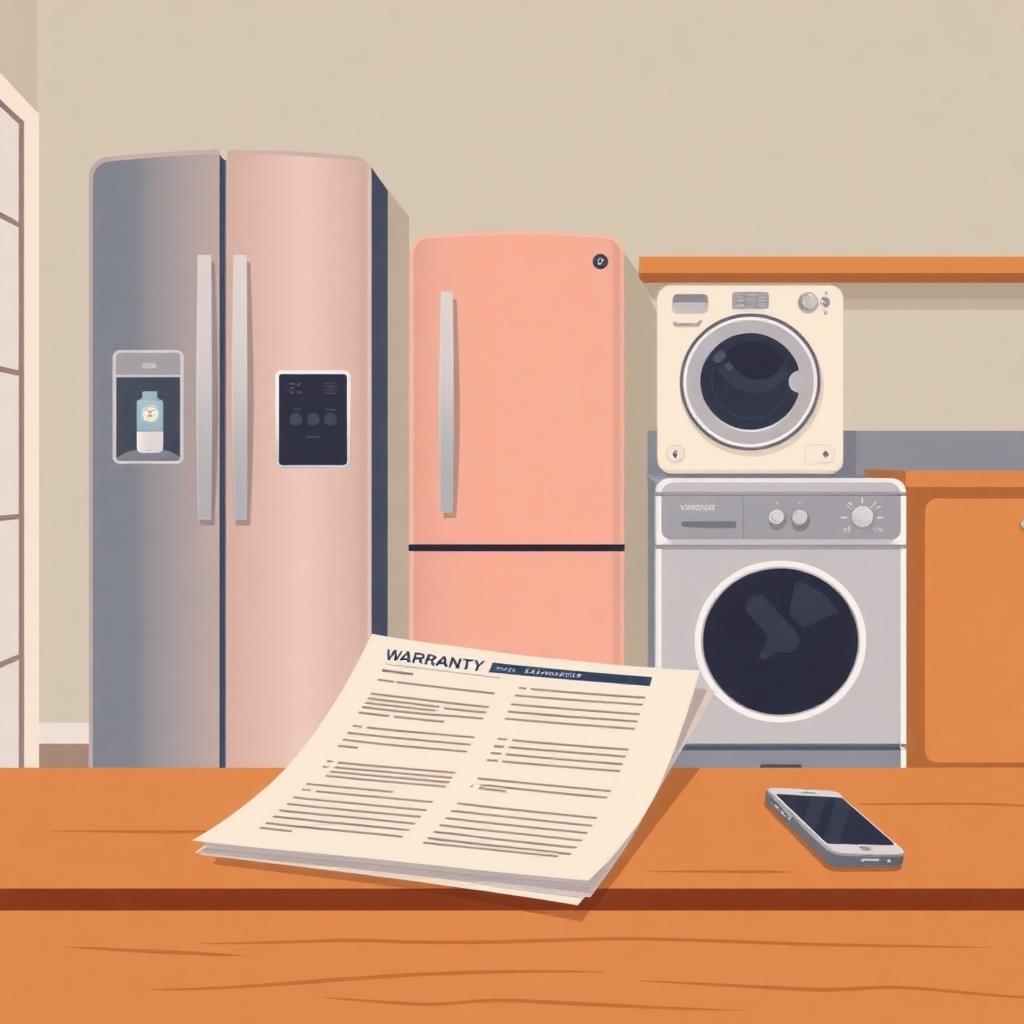
An appliance warranty can be a manufacturer's written warranty, an optional retailer plan, a third-party service contract, a credit-card benefit, or another product. These arrangements do not share one universal coverage standard. The current document for the exact appliance is the source of truth.
Marketing pages often summarize benefits but do not show every definition, exclusion, limit, or service requirement. Obtain the complete terms before buying and keep the version issued with your purchase.
Identify the product and provider
Start by recording:
- Full brand and model number
- Serial number
- Purchase, delivery, and installation dates
- Seller and installer
- Company providing the warranty
- Company administering claims
- Company performing service
- Contract or registration number
- Effective and expiration dates
These roles can belong to different companies. Knowing whom to contact prevents delays when a problem occurs.
Manufacturer warranty versus service contract
A manufacturer warranty commonly addresses stated defects during a defined period. An optional service contract may provide different breakdown, service, or replacement benefits. Do not assume the second document simply extends every term of the first.
Compare them line by line. Parts, labor, transport, and in-home service may have different durations. A selected component can have longer coverage than the overall product while associated labor ends earlier.
Confirm the covered appliance
Coverage should identify the product or eligibility rules. Check whether used, refurbished, open-box, display, commercial, rental, or transferred products qualify. Some programs require purchase from an authorized seller, registration, or proof of purchase.
For a plan bought after the appliance, confirm enrollment deadlines and whether an inspection is required. A sales receipt proves purchase but does not automatically prove every eligibility condition.
Covered failures
Read how the agreement defines defect, breakdown, failure, ordinary use, and wear. A contract may cover manufacturing defects, specified mechanical or electrical breakdowns, or named events. It may not cover every loss of function.
Ask:
- Which causes qualify?
- Is accidental damage included or excluded?
- Are power events covered?
- How are rust, corrosion, scale, pests, moisture, and environmental conditions treated?
- Does commercial or prohibited use affect coverage?
- How are existing symptoms or prior damage handled?
A part can be listed while the cause of its failure remains excluded.
Parts coverage
Determine whether the contract lists covered parts or covers functional components except named exclusions. Look for model-specific systems such as compressors, motors, pumps, bearings, controls, sensors, heating elements, ignition parts, fans, valves, seals, displays, glass, and wiring.
Also inspect exclusions for knobs, handles, shelves, racks, drawers, trim, panels, hoses, filters, bulbs, accessories, cosmetic surfaces, and consumables. Do not assume these examples apply to every plan; verify the actual text.
Labor coverage
Parts coverage does not necessarily include labor. Check whether labor applies to diagnosis, disassembly, installation, programming, calibration, testing, and return visits.
Ask whether labor coverage changes over time or by component. If a compressor has a longer parts period than the appliance, the owner may still owe diagnosis, labor, refrigerant, access, shipping, or related materials.
Diagnosis and service-call charges
Review who pays for diagnosis when the problem is covered, excluded, intermittent, or not reproduced. A program may use a deductible, service fee, trip charge, or other cost-sharing method.
Clarify whether a charge applies per visit, claim, appliance, repair, or issue. Ask what happens if the technician returns with a part, if the first provider cannot complete the repair, or if the claim is denied after inspection.
In-home, carry-in, mail-in, and depot service
Large appliances may qualify for in-home service, but this should not be assumed. The contract may require carry-in, mail-in, depot, or another method based on product size, location, and service availability.
Confirm responsibility for packing, transport, removal, and reinstallation. If in-home service is promised, ask what happens when no authorized provider serves your address.
Technician authorization
Many warranties require service through an authorized provider or prior approval. Hiring a technician independently can affect reimbursement.
Before any work begins:
- Contact the stated claim channel
- Record the claim number
- Describe symptoms accurately
- Ask whether continued use is safe
- Confirm who may diagnose the appliance
- Obtain written outside-service approval if needed
- Save messages and authorization records
Emergency action to prevent injury or property damage may still be subject to contract procedures. Prioritize safety, then document the circumstances carefully.
Repair, replacement, and settlement
“Replacement coverage” does not always mean a new version of the same brand, color, finish, capacity, and features. The provider may retain the right to choose repair, comparable replacement, reimbursement, store credit, cash settlement, or another remedy.
Review how value is calculated and whether depreciation, original purchase price, current retail price, provider cost, or a stated limit applies. Determine whether you can reject the offered replacement and what happens if you prefer an upgrade.
Installation and related costs
A replacement appliance can involve expenses beyond the unit:
- Delivery
- Removal and haul-away
- Installation and reconnection
- Water, gas, electrical, or vent work
- Required cords, hoses, valves, pans, or stacking kits
- Trim, handles, panels, and mounting hardware
- Cabinet or countertop modification
- Permits, code upgrades, and taxes
The agreement may include, limit, or exclude these items. For built-in or specialty products, compare the benefit with the complete installed project.
Coverage limits
Look for per-repair, per-component, per-product, annual, and aggregate limits. A particular part or benefit can have its own limit.
Ask whether diagnosis, labor, parts, shipping, tax, refrigerant, installation, and prior claims count toward the limit. A large headline limit may offer less usable value when several expenses are charged against it.
Deductibles and service fees
Calculate the total cost of ownership, not only the plan price. Include deductibles, service fees, renewals, add-ons, transport, excluded labor, amounts above limits, and cancellation charges.
Test several scenarios: no claim, one covered repair, a denied diagnosis, repeated visits, and an unrepairable product. These are planning examples, not predictions of savings.
Exclusions
Read the exclusion section slowly and cross-reference definitions. Topics may include:
- Cosmetic or accidental damage
- Misuse, neglect, or commercial use
- Improper installation or modification
- Unauthorized repair
- Consumables and accessories
- Rust, corrosion, scale, sediment, or pests
- Fire, flood, surge, or other external events
- Existing or detectable conditions
- Recall or manufacturer-responsibility events
- Secondary property damage
Do not rely on verbal assurances that conflict with the written agreement. Request clarification in writing.
Maintenance requirements
Use the manufacturer's manual for cleaning, filters, vents, loading, detergent, descaling, airflow, drainage, and inspections. Keep a dated log or receipts when practical.
Maintenance records do not guarantee approval. They can help establish history and show that required tasks were completed. Never create or alter records after a failure.
Documentation to retain
Keep:
- Sales receipt
- Complete warranty and service contract
- Registration confirmation
- Model and serial photographs
- Installation invoice
- Maintenance records
- Prior repair reports
- Claim numbers
- Technician findings
- Authorization messages
- Parts and labor invoices
- Replacement or settlement offer
Store a copy outside an app or account that may become inaccessible.
Cancellation, renewal, and transfer
Check the cancellation period, method, fees, claims deduction, and refund formula. Review whether the plan renews automatically and how renewal price or terms can change.
If the appliance or home is sold, do not assume coverage transfers. The contract may require notice, a form, proof of sale, or a fee, or it may prohibit transfer.
Credit-card and other existing benefits
Some purchases may have card benefits, retailer programs, installer warranties, or insurance protection. These products address different events and may require separate documentation.
Review coordination clauses to determine which benefit applies first and whether reimbursement can exceed actual loss. Duplicate coverage does not necessarily create duplicate payment.
How to compare plans
Create a table for each option with:
- Covered product and failures
- Parts and labor duration
- Effective dates
- Service method and local availability
- Deductible and fees
- Limits
- Major exclusions
- Repair and replacement method
- Installation costs
- Cancellation and transfer
Mark unknowns rather than assigning assumed value. The best fit is the plan whose written benefits address the risks you care about at an acceptable total cost.
Filing a claim
Stop using the appliance if continued operation could create electrical, gas, fire, water, refrigerant, or injury risk. Contact the provider, record symptoms and dates, follow authorization instructions, and keep copies of every submission.
Ask the technician for a written diagnosis rather than only a part name. If a claim is denied, request the contract provision and appeal process in writing. Follow deadlines for additional documentation or review.
Related articles
- Home Warranty vs Appliance Warranty
- Appliance Warranty Claims
- Are Extended Appliance Warranties Worth It?
- Appliance Warranty vs Repair Cost
Disclosure: This article provides general information and does not interpret a specific contract. The site may earn a commission from eligible links, without changing our editorial standards.
Frequently asked questions
Related guides
Best Appliances for an Extended Warranty: 2026 Checklist
Decide which appliances merit extended coverage by comparing price, repairability, parts, installation, existing warranties, service fees, limits, and exclusions.
Are Extended Appliance Warranties Worth It? 2026 Guide
Evaluate an extended appliance warranty using price, overlap, effective dates, service fees, exclusions, limits, repair terms, and self-funding alternatives.
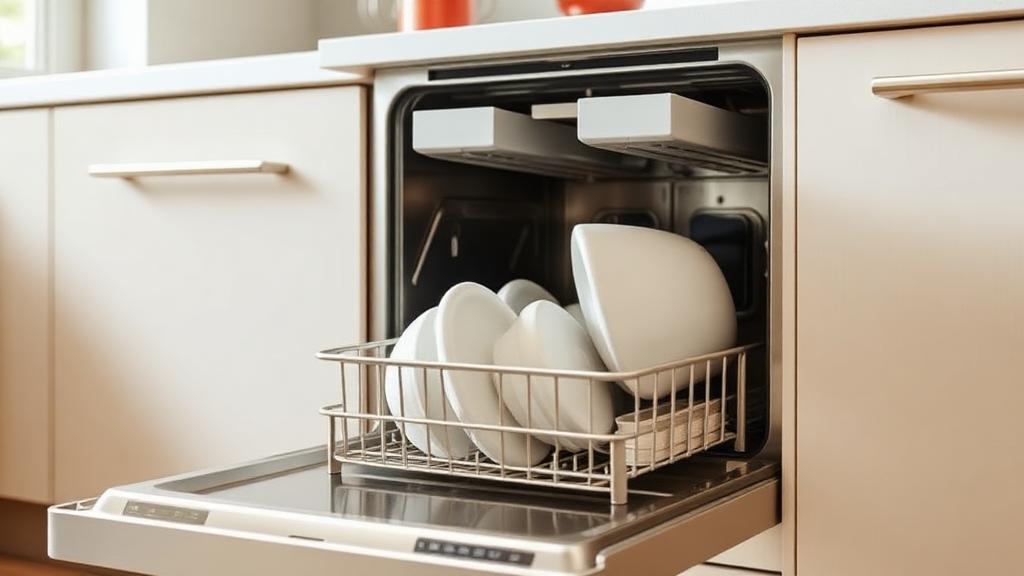
Does a Home Warranty Cover a Dishwasher?
Learn how to verify dishwasher coverage, components, exclusions, limits, service fees, claim authorization, and repair-or-replacement terms.
Disclaimer: Pricing reflects US national averages as of the publication date and varies by region, brand, and labor rates. This article is informational and does not replace professional inspection or repair advice. See our full disclaimer.