Home Warranty Refrigerant Coverage: What to Verify
Written by
Editorial Team
Research and editorial staff
Dates
Published
Last updated
What changed: Removed outdated refrigerant, universal coverage, and replacement claims and added a contract-first HVAC scope and limit checklist.
Checked by our editors.How we estimate repair costsEditorial policy
Sources
- EPA refrigerant management — U.S. Environmental Protection Agency
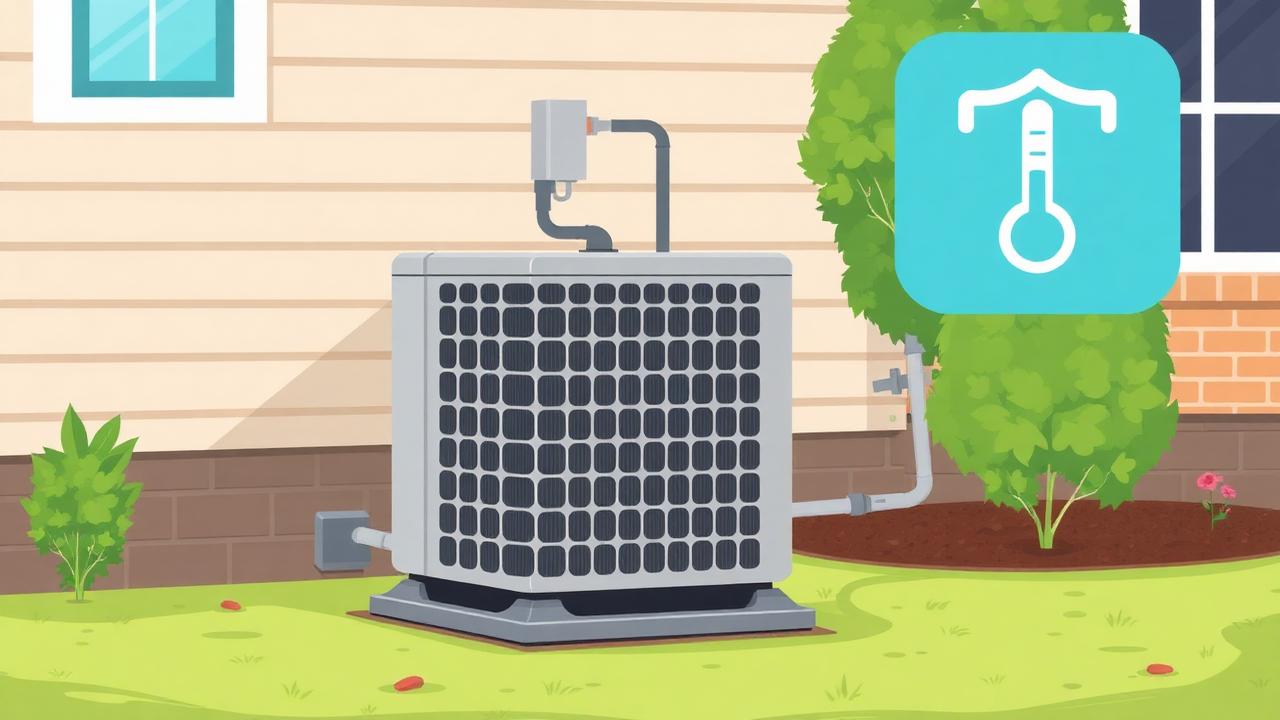
Home warranty refrigerant coverage is not established merely because a plan lists HVAC. Leak detection, leak repair, recovery, evacuation, recharge, line sets, environmental charges, and related replacement work can have different terms.
Coverage at a glance
| Cost or task | What to verify |
|---|---|
| Leak diagnosis | Whether testing and labor are included |
| Leak repair | Covered component, location, access, and cause |
| Refrigerant | Included quantity, rate, separate limit, or exclusion |
| Recovery and disposal | Environmental or handling charges |
| Related equipment | Coil, compressor, line set, matching equipment, and code work |
| Remedy | Repair, replacement, reimbursement, or cash settlement |
Read the agreement
Confirm the plan, property, effective date, covered HVAC equipment, optional coverage, service fee, and current term. Read the HVAC grant with refrigerant provisions, exclusions, limits, authorization, access, and replacement terms.
A plan may cover a compressor or coil while limiting refrigerant, or cover refrigerant while excluding the leak source. Ask the provider to identify the governing clause in writing.
Separate diagnosis from recharge
Poor cooling does not prove that refrigerant is low, and low charge does not identify the leak. Airflow, controls, sensors, coils, electrical components, and installation can produce similar symptoms.
Ask the technician to document temperatures, pressures where appropriate, test method, leak location, affected component, cause, and manufacturer-required refrigerant. Recharging alone does not repair a leak.
Request separate line items for diagnosis, leak detection, repair, recovery, evacuation, refrigerant, labor, environmental charges, and follow-up testing.
Safety and legal handling
Do not open service ports, touch damaged lines, attempt a recharge, or use consumer sealants without manufacturer and professional guidance. Refrigerant systems are pressurized and subject to environmental and qualification requirements.
For hissing, oil residue, icing, poor cooling, unusual odor, or suspected leakage, stop owner intervention and arrange qualified HVAC service. Follow emergency guidance if anyone has symptoms or there is another immediate hazard.
Limits and related work
Identify any refrigerant-specific, component, system, event, or contract-term limit. Ask whether diagnosis, labor, refrigerant, recovery, shipping, access, tax, and prior claims reduce the maximum.
A covered repair may still exclude matching equipment, electrical work, duct changes, drain work, permits, code upgrades, crane access, removal, or complete installation.
Changing or unavailable refrigerants
Availability and equipment compatibility can affect the proposed remedy, but do not assume that a particular refrigerant automatically requires replacement or has a universal price. The technician should identify the equipment requirements and explain safe, legal options.
Authorization and contractors
Learn how to request service, who assigns the contractor, whether outside service can be authorized, and what happens if no qualified local provider accepts the request. Obtain written approval before non-emergency independent work when required.
If coverage is denied or limited
Request the written diagnosis, decision, cited clause, and calculation. Compare the approved scope with the technician’s itemized proposal. Correct factual errors and preserve review deadlines.
A second opinion may require authorization. Ask who selects and pays the technician and whether the report will be considered.
Questions for the provider
- Is leak detection included?
- Is the leak source covered?
- Are recovery, evacuation, and recharge included?
- Is refrigerant subject to a separate limit or rate?
- Are line sets and matching components included?
- What installation and code work is excluded?
- Who selects the contractor?
- What remedy may the administrator choose?
Final guidance
Treat refrigerant coverage as a set of separate contract questions. Verify diagnosis, leak source, refrigerant, labor, limits, authorization, related equipment, and installation before assuming HVAC coverage pays the complete job.
Why refrigerant is treated separately
Refrigerant is one of the few items home-warranty contracts single out with its own rules. Providers commonly cap the amount paid per pound or per contract term, exclude it entirely, or cover it only when replacing a component that is itself covered. The reason is cost volatility: refrigerant pricing has moved sharply as older blends are phased down, and open-ended coverage exposes the provider to a large and unpredictable bill.
Read the refrigerant clause separately from the general HVAC clause. A plan that advertises air-conditioning coverage may still leave most of a recharge cost with the homeowner.
Recharge is not a repair
A system low on refrigerant has a leak. Adding refrigerant without locating and correcting the leak returns cooling temporarily and loses it again, often within a season. Some contracts explicitly decline repeat recharges for this reason, and most exclude leak searches, line-set access, evacuation, and recovery unless separately stated.
Ask the technician for a documented leak location and a repair plan, not just a pressure reading. A claim supported by an identified leak at a covered component is far stronger than one supported only by "system was low".
Older systems and conversion costs
Where a system uses a phased-down refrigerant, availability and price can make a repair impractical even when the fault itself is small. Contracts almost never pay to convert a system to a different refrigerant, to modify or replace line sets, or to upgrade equipment to meet current efficiency or code requirements.
Those non-covered items frequently exceed the covered portion of the job. When a technician recommends replacement on an older system, ask for an itemized split between what the contract may pay and what falls outside it before deciding.
Documentation that supports the claim
Keep annual maintenance records. Providers regularly decline HVAC claims on the basis of inadequate maintenance, and a service history is the most effective answer to that argument. Keep the installation date, equipment model and serial numbers, refrigerant type, prior repair invoices, and any previous recharge records.
When the claim is opened, request the diagnosis in writing: measured pressures and temperatures, leak location and method used to find it, the failed component, refrigerant type and quantity, and the itemized cost breakdown.
Setting realistic expectations
Treat refrigerant coverage as partial cost relief rather than full protection. The practical planning assumption is that a contract may offset part of a recharge tied to a covered repair, while leak searches, line work, code upgrades, and system replacement largely remain the homeowner's cost.
Related articles
- Best Home Warranty for HVAC and AC Replacement
- Why Home Warranty Claims Get Denied
- Home Warranty With No Waiting Period
Disclosure: This article is informational and not HVAC, legal, insurance, or contract advice. The site may earn a commission from eligible links.
Frequently asked questions
Related guides

Does a Home Warranty Cover Roof Leaks? 2026 Guide
Learn when a home warranty may offer limited roof-leak coverage, what materials and causes can be excluded, and how warranties differ from homeowners insurance.
Home Warranty Plumbing Stoppage Coverage: What to Verify
Learn how home-warranty plumbing-stoppage coverage can depend on line location, cause, access, cleanouts, exclusions, limits, and authorization.

Home Warranty at Closing: 2026 Buyer Checklist
Use this closing checklist to verify who orders and pays for a home warranty, its effective date, waiting period, plan terms, escrow treatment, and exclusions.
Disclaimer: Pricing reflects US national averages as of the publication date and varies by region, brand, and labor rates. This article is informational and does not replace professional inspection or repair advice. See our full disclaimer.