Home Warranty With No Waiting Period: What to Verify
Written by
Editorial Team
Research and editorial staff
Dates
Last updated
What changed: Expanded the waiting-period verification guide beyond 1,000 words without restoring unsupported waiver promises, universal timing claims, rankings, or fraud assertions.
Checked by our editors.How we estimate repair costsEditorial policy
Sources
- American Home Shield plans — American Home Shield
- First American Home Warranty — First American Home Warranty
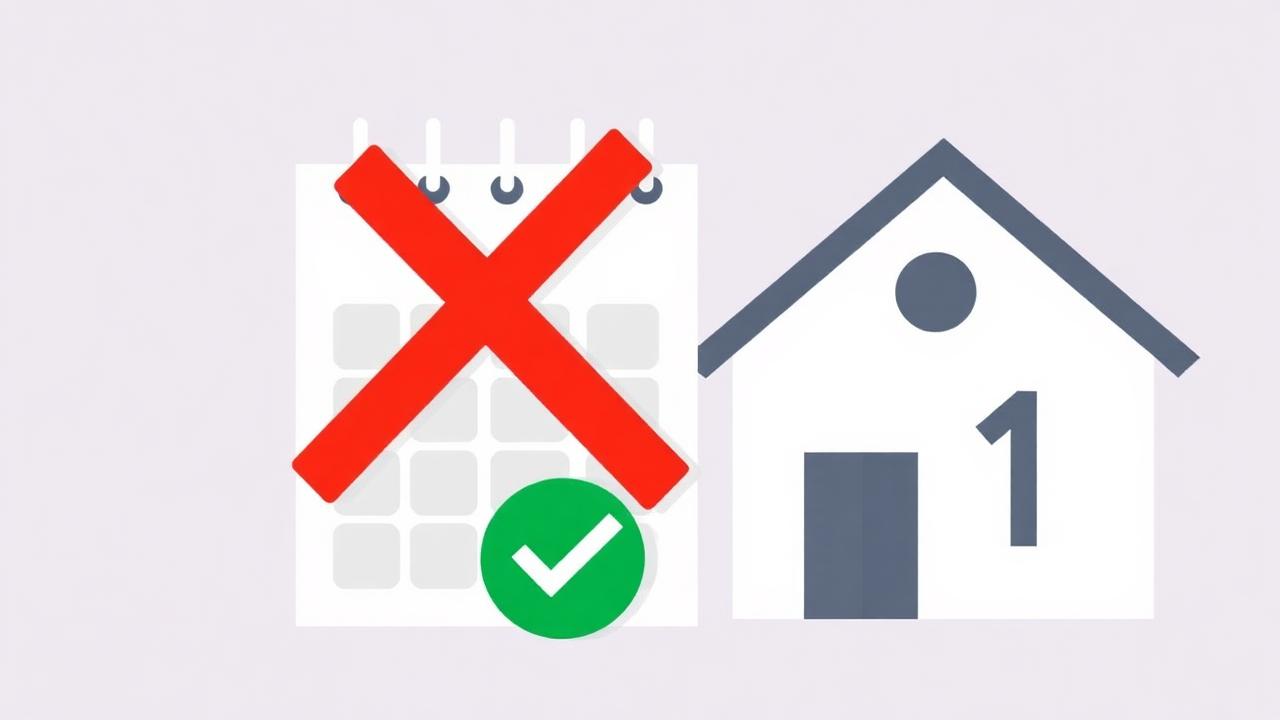
“No waiting period” can describe several different situations. It may refer to coverage connected with a real-estate transaction, continuation from another contract, an inspection-based exception, a provider promotion, or an item-specific effective date. It does not necessarily mean every system and appliance is eligible immediately after payment.
The reliable way to compare these offers is to obtain the full agreement and written confirmation of the effective date for the exact property, plan, and selected options.
Understand the important dates
Create a timeline that includes:
- Quote date
- Application or enrollment date
- Payment date
- Contract issue date
- Coverage effective date
- End of any waiting period
- Effective date for each add-on
- Renewal date
- Cancellation deadline
- Date any prior coverage ends
These dates can differ. A plan purchased today may be issued today but begin later. An optional item added after enrollment may have its own effective date.
Waiting period versus effective date
A waiting period is generally a defined time between enrollment and eligibility, but the agreement may instead state a future effective date. The practical question is the same: when can a new failure become eligible under the contract?
Ask the provider to identify the clause and confirm the date in writing. Avoid relying on a countdown shown only in an advertisement or sales conversation.
What “immediate” should mean
If a provider uses the word “immediate,” clarify:
- Does coverage begin on the purchase date or another date?
- Does it begin at a specific time of day?
- Are all systems and appliances included?
- Do add-ons begin at the same time?
- Is an inspection required first?
- Does prior coverage need to be verified?
- Are failures already present excluded?
- Is service available immediately, or only coverage?
Immediate eligibility does not guarantee same-day diagnosis, repair, approval, parts, or replacement.
Real-estate transaction coverage
Seller, buyer, listing, and closing plans can use different effective dates from direct-to-consumer plans. Coverage may begin at listing, closing, payment, transfer, or another contract event.
Review who purchased the plan, who is covered, which property is listed, and whether the transaction completed. Ask what happens if closing is delayed or canceled.
Keep the purchase agreement, closing statement, warranty order, property address, effective-date confirmation, and final contract together.
Prior-coverage exceptions
A provider may offer an exception when the customer had continuous prior coverage. Requirements can include a declarations page, expiration notice, paid invoice, contract number, covered-property match, or proof that there was no gap.
Do not assume any prior plan qualifies. Ask whether the provider accepts the previous company, product, coverage dates, and scope. Obtain approval before canceling existing coverage.
A continuation exception can remove a time requirement without making an already failing item eligible.
Inspection-based exceptions
Some offers may rely on an inspection or service record. Confirm who can perform the inspection, how recent it must be, which items must be tested, what form is required, and who pays.
An inspection documents observed condition at a point in time; it cannot guarantee that no hidden problem exists. It may support eligibility or reveal a condition that needs repair before coverage begins.
Existing and detectable conditions
Read definitions of known, unknown, pre-existing, and detectable conditions. A plan with no waiting period may still exclude problems that began before the effective date.
Create an honest condition record. Keep prior inspection reports, seller disclosures, service invoices, photographs, and written symptom dates. Do not conceal or alter prior problems.
If an item is already failing, obtain a direct repair diagnosis rather than buying coverage with an assumption that the claim will be paid.
Different dates for different items
A plan may apply different rules to HVAC, plumbing, appliances, roofs, pools, septic systems, well pumps, and other add-ons. Verify each item separately.
Ask whether adding an option at renewal or during the term starts a new waiting period. Check quantity and location restrictions for additional appliances or systems.
Service availability versus coverage availability
A contract can be active while local service is unavailable. Ask whether qualified technicians serve the address and equipment type, particularly for specialty HVAC, boilers, built-in appliances, rural properties, or peak-season emergencies.
Clarify whether outside service can be authorized and what happens if no network provider is available. A no-waiting-period label provides little practical benefit if the service process cannot be used.
Authorization requirements
Learn the claim procedure before coverage starts:
- Required phone number, website, or app
- Information needed to open a claim
- Who selects the technician
- Whether outside service is allowed
- Service fee timing
- Emergency procedure
- Documentation requirements
- Appeal process
Hiring a technician without authorization may affect reimbursement. Request written approval for any exception.
Service fees and total cost
“No waiting period” describes timing, not price or value. Compare premium, add-ons, service fees, denied-diagnosis charges, repeat visits, limits, and uncovered work.
Run scenarios with no claim, one covered repair, a denied claim, multiple visits, and a failure above the item limit. A faster effective date does not compensate for weak coverage or high uncovered costs.
Coverage limits
Review per-item, per-component, per-event, annual, and aggregate limits. Ask whether diagnosis, labor, parts, refrigerant, shipping, tax, access, and prior claims count toward the maximum.
If an exception or promotion changes a limit during an initial period, confirm that in writing.
Covered items and components
Verify every system and appliance you care about. A plan can begin immediately while excluding the relevant component or failure.
Check component lists for HVAC, electrical, plumbing, water heating, refrigeration, laundry, dishwashing, and cooking equipment. Review associated exclusions for installation, maintenance, corrosion, rust, scale, pests, misuse, and external events.
Repair and replacement
The administrator may choose repair, replacement, reimbursement, store credit, or cash settlement. Read how value is calculated and whether installation-related expenses are included.
Immediate coverage does not imply immediate replacement. Diagnosis, authorization, parts research, and contract review may still be required.
Cancellation and refund
Review the cancellation window, required notice, fees, claims deduction, and refund formula. A promotional waiver might have conditions tied to payment term or continued coverage.
If you cancel after making a claim, the refund calculation may differ. Keep written confirmation and verify the account status.
Renewal
A waiting-period exception at first enrollment may not describe renewal terms. Obtain the renewal agreement and confirm whether coverage remains continuous if payment is made on time.
Avoid an unintended gap. Record renewal notices and proof of payment.
Comparing providers
Use the official sources above to obtain current materials, then apply one worksheet:
- Effective date
- Waiting period
- Exception requirements
- Existing-condition language
- Covered items
- Limits
- Service fee
- Local service
- Authorization
- Repair and replacement method
- Cancellation and renewal
- Total quote
Do not award a provider a “best” label based on timing alone.
Warning signs
Pause when:
- The full contract is unavailable
- The salesperson will not identify the effective date
- A waiver is verbal only
- Required documents are unclear
- Known problems are promised coverage without written support
- Add-ons have unspecified dates
- Local service cannot be verified
- Cancellation terms are missing
What to save
Keep:
- Quote and promotion
- Sample and final agreement
- Effective-date confirmation
- Waiver or exception approval
- Proof of prior coverage
- Inspection or service record
- Payment receipt
- Add-on confirmation
- Claim number and correspondence
Store copies outside the provider portal where possible.
If a failure occurs near the effective date
Stop using equipment that presents gas, fire, electrical, water, refrigerant, overheating, or injury risk. Follow emergency guidance first.
Record when symptoms began, what was observed, and what mitigation was performed. Contact the administrator and describe symptoms accurately. Avoid guessing the failed part.
If coverage is denied based on timing, request the decision, effective-date clause, and evidence in writing. Follow the appeal process and deadline.
Final decision
A plan with an early effective date may be useful when its covered items, limits, service access, exclusions, and total cost also fit the property. A plan with a later effective date may still be a stronger long-term option when its contract is clearer or more useful.
The best choice is not automatically the shortest waiting period. It is the agreement that provides suitable protection after all terms are considered.
Related articles
- Home Warranty Waiting Period Explained
- Home Warranty at Closing
- Why Claims Get Denied
- Best Home Warranty for Older Homes
Disclosure: This article is informational. The site may earn a commission from eligible links at no additional cost to the reader. Commercial relationships do not determine the guidance.
Frequently asked questions
Related guides

Home Warranty Waiting Period Explained (2026 Guide)
Home warranty waiting periods explained: how long each major provider makes you wait (15–30 days), when it's waived, what counts as pre-existing, and how to avoid a denied first claim.

Appliance Warranty vs Repair Cost: How to Decide
Compare an appliance warranty claim with direct repair or replacement using service fees, limits, exclusions, timing, technician choice, and total cost.
Are Extended Appliance Warranties Worth It? 2026 Guide
Evaluate an extended appliance warranty using price, overlap, effective dates, service fees, exclusions, limits, repair terms, and self-funding alternatives.
Disclaimer: Pricing reflects US national averages as of the publication date and varies by region, brand, and labor rates. This article is informational and does not replace professional inspection or repair advice. See our full disclaimer.