Does a Home Warranty Cover a Washer and Dryer?
Written by
Editorial Team
Research and editorial staff
Dates
Last updated
What changed: Expanded the laundry coverage guide beyond 1,000 words without unsupported universal add-on, component, price, limit, claim, age, approval, or value claims.
Checked by our editors.How we estimate repair costsEditorial policy
Sources
- Federal Trade Commission consumer advice — Federal Trade Commission
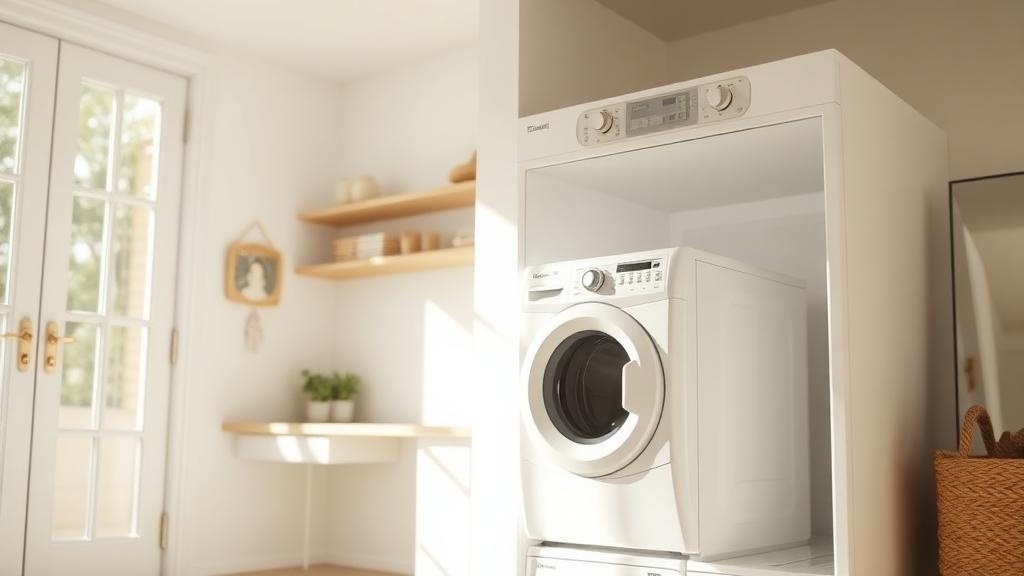
A home warranty may cover a clothes washer, dryer, or both, but laundry coverage is not standardized. One provider may include both appliances in a plan, another may sell an option, and another may restrict certain configurations or components.
Confirm each unit in the current agreement. Do not treat the washer-and-dryer pair as one item unless the contract does.
Verify both appliances
Find the covered-items schedule and check:
- Clothes washer
- Electric dryer
- Gas dryer
- Combination washer-dryer
- Stacked units
- Laundry-center units
- Additional machines
- Residential-use requirements
- Property location
- Plan tier or add-on
A combined marketing label may conceal separate fees, limits, and decisions.
Record equipment details
For each unit, save:
- Manufacturer
- Complete model and serial number
- Fuel type
- Installation location
- Freestanding, built-in, stacked, or combined design
- Approximate purchase date
- Known symptoms
- Prior repairs
- Existing warranties
Photograph the rating labels and installation.
Washer components
Review coverage for:
- Drain and circulation pumps
- Water inlet valves
- Drive motor and transmission
- Belt or direct-drive components
- Bearings and seals
- Suspension
- Tub and drum
- Door or lid lock
- Controls and user interface
- Sensors
- Internal wiring
- Hoses and connections
- Dispensers and cosmetic parts
This is a contract-review list, not a statement that every component is included.
Dryer components
Check:
- Electric heating element
- Gas igniter and burner components
- Thermal fuse and thermostats
- Motor
- Belt
- Rollers and idler
- Drum
- Door switch
- Controls and sensors
- Internal wiring
- Steam components
- Lint screen
- External venting
- Knobs, doors, and trim
Gas and electric products require different diagnosis and qualified service.
Covered cause
A listed component must usually fail from an eligible cause. Compare treatment of ordinary use, defects, overloading, foreign objects, blockages, power events, fire, water damage, pests, corrosion, installation, maintenance, and unauthorized repair.
A washer that will not drain can have a pump failure or an obstruction. A dryer that will not heat can have an equipment fault or restricted airflow. The diagnosis matters.
Effective dates
Record purchase, issue, effective, waiting-period, add-on, renewal, and expiration dates. Confirm whether optional laundry coverage starts with the base plan or later.
A timing exception does not necessarily override existing-condition or maintenance exclusions.
Existing conditions
Review known, unknown, pre-existing, and detectable-condition language. Keep inspection reports, disclosures, purchase records, service history, photographs, and accurate symptom dates.
A claim submitted after activation can still be evaluated using evidence that the condition began earlier.
Washer maintenance
Follow the model manual for detergent type and amount, filter cleaning, tub-cleaning cycles, load size, leveling, inlet screens, and hoses. High-efficiency machines can have model-specific detergent requirements.
Do not disassemble internal parts unless qualified and authorized. Preserve maintenance records where practical.
Dryer maintenance
Clean the lint screen as the manufacturer directs and maintain the exhaust system using qualified service where needed. Restricted airflow can reduce performance and create a fire hazard.
Do not assume a warranty covers vent cleaning. External ducts may be part of the building rather than the appliance.
Safety
Stop for burning odor, smoke, arcing, gas odor, repeated breaker trips, damaged wiring, uncontrolled overheating, or active water leakage. Follow emergency, utility, and public-safety guidance.
Do not bypass door switches, operate a dryer with unsafe venting, or perform gas-line work without appropriate qualifications. Necessary safety mitigation comes before routine claim procedures.
Installation and access
Laundry equipment depends on electrical supply, gas connection, water valves, drainage, venting, leveling, flooring, and clearance. Some contracts exclude failures caused by improper installation or modification.
Stacked, closet, pedestal, built-in, or tight installations can add removal and reinstallation work. Confirm whether access is covered.
Open a claim
Unless immediate safety action is required:
- Confirm the unit is listed and active.
- Record symptoms and codes.
- Photograph the label and installation.
- Contact the administrator.
- Obtain a claim number.
- Follow assignment rules.
- Avoid unauthorized repair.
- Request a written diagnosis.
- Retain invoices and messages.
Washer and dryer failures at different times may require separate requests.
Service fee
Determine whether the fee applies per request, visit, appliance, trade, or issue. Ask how a stacked unit, combined appliance, two simultaneous failures, callbacks, denied diagnoses, and second opinions are handled.
Do not assume one fee covers both machines.
Diagnosis
Ask the technician to identify the failed component, cause, tests, required repair, related damage, safety issues, parts status, and total scope.
A displayed code or symptom alone does not prove the failed part. Written findings help compare the decision with the contract.
Coverage limits
Find per-component, per-item, per-event, annual, and aggregate limits. Confirm whether washer and dryer have separate maximums.
Ask whether diagnosis, labor, parts, shipping, tax, access, and prior claims consume the limit. A pair may not share one benefit.
Repair, replacement, and settlement
The administrator may choose repair, replacement, reimbursement, or cash settlement. Review valuation and whether replacement must match capacity, fuel type, dimensions, finish, stacking compatibility, or smart features.
Check delivery, haul-away, installation, stacking kit, pedestal, hoses, drain pan, vent, gas connector, electrical work, permits, code upgrades, cabinetry, and taxes. A covered appliance does not guarantee that every installation expense is paid.
Matching pairs
A failed washer does not necessarily entitle the holder to a matching dryer, or vice versa. Finish, model series, controls, dimensions, and stacking compatibility can create practical problems.
Review whether the contract addresses matching and modifications. Obtain an installed-replacement estimate before accepting a settlement.
Water and fire damage
A leaking washer or dryer fire can damage property. The appliance failure and resulting damage may be covered differently by the service contract, homeowners insurance, another policy, or no coverage.
Make the area safe, mitigate further damage, photograph conditions, and notify relevant providers. Review each document separately.
Manufacturer and retailer protection
Check manufacturer warranty, motor or tub terms, installer warranty, retailer plan, credit-card benefit, recall remedy, and prior repair warranty.
Overlapping plans may coordinate benefits. Follow authorization procedures before service.
Denials and appeals
Request the written decision, diagnosis, cited clause, benefit calculation, appeal process, and deadline. Provide relevant maintenance, installation, purchase, inspection, and repair records.
A second opinion may require authorization. Keep detailed communication records.
Compare self-funding
A repair reserve preserves technician choice and unused money but leaves the household responsible for full cost. Warranty coverage transfers selected risks while adding fees, limits, exclusions, and provider procedures.
Compare the actual appliances, installation, and local service over the same period.
When coverage may fit
Coverage may fit when both units are listed, important components have useful limits, local specialists are available, and the household accepts the claim process.
It may fit poorly when manufacturer coverage remains active, the units are already failing, critical components or access are excluded, or matching and installation gaps are substantial.
Purchase checklist
Verify:
- Each unit and configuration
- Base or optional coverage
- Component lists
- Effective dates
- Existing-condition terms
- Maintenance and installation exclusions
- Service-fee treatment
- Separate limits
- Local service
- Replacement and matching rules
- Cancellation and renewal
Final guidance
A home warranty can cover an eligible washer or dryer failure, but inclusion, approval, and full installed replacement are not automatic. Verify every unit, component, cause, date, fee, limit, authorization rule, and remedy.
Related articles
- Washing Machine Repair Cost Guide
- Dryer Repair Cost Guide
- What Appliances Does a Home Warranty Cover?
- Why Home Warranty Claims Get Denied
Disclosure: This article is informational and not legal or insurance advice. The site may earn a commission from eligible links. Commercial relationships do not determine the guidance.
Frequently asked questions
Related guides
Does a Home Warranty Cover a Dishwasher?
Learn how to verify dishwasher coverage, components, exclusions, limits, service fees, claim authorization, and repair-or-replacement terms.
Does a Home Warranty Cover a Refrigerator?
Learn how to verify refrigerator coverage, sealed-system terms, secondary-unit rules, service fees, limits, exclusions, and replacement methods.
Home Warranty Waiting Period Explained (2026 Guide)
Home warranty waiting periods explained: how long each major provider makes you wait (15–30 days), when it's waived, what counts as pre-existing, and how to avoid a denied first claim.
Disclaimer: Pricing reflects US national averages as of the publication date and varies by region, brand, and labor rates. This article is informational and does not replace professional inspection or repair advice. See our full disclaimer.