Does a Home Warranty Cover a Refrigerator?
Written by
Editorial Team
Research and editorial staff
Dates
Last updated
What changed: Expanded the refrigerator coverage guide beyond 1,000 words without unsupported universal coverage, component, price, limit, age, approval, savings, or value claims.
Checked by our editors.How we estimate repair costsEditorial policy
Sources
- Federal Trade Commission consumer advice — Federal Trade Commission
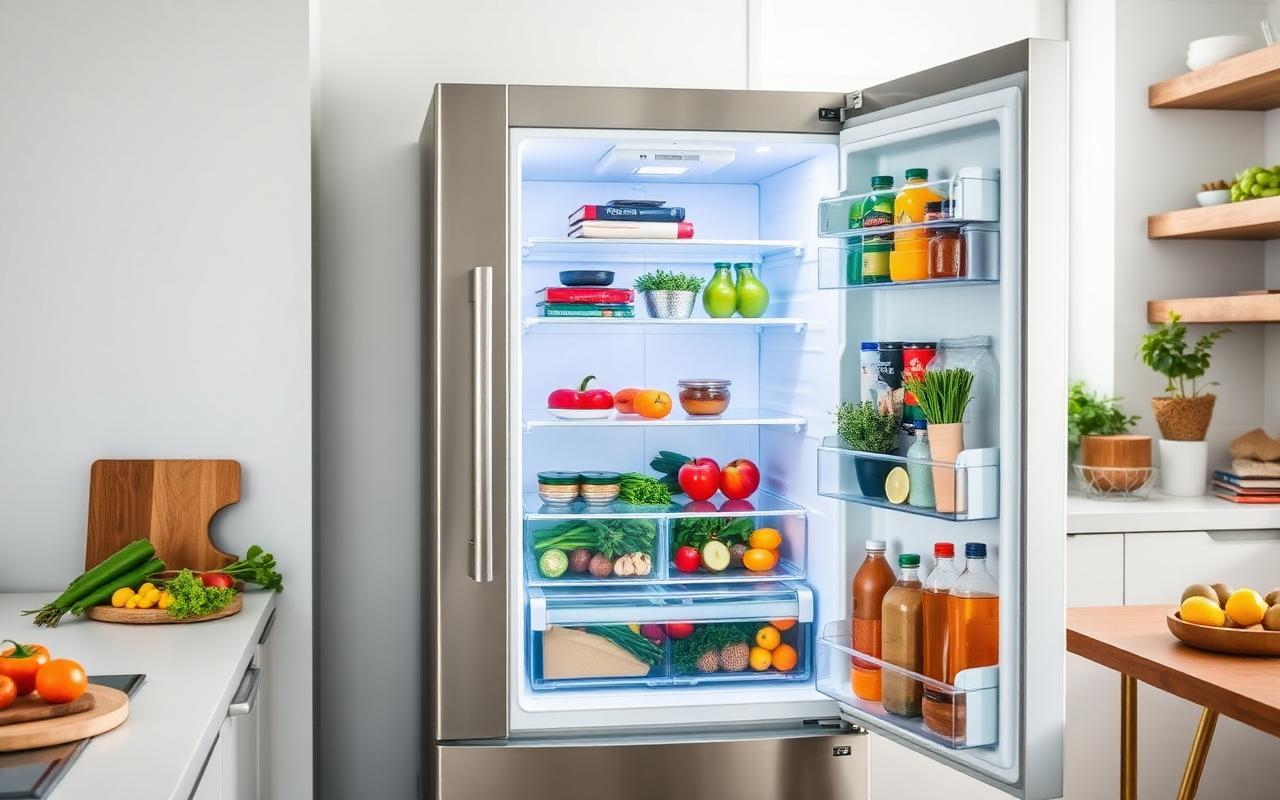
A home warranty may cover a refrigerator, but plans differ on whether it is included, which unit qualifies, what components are eligible, and how repair or replacement is valued. The word “refrigerator” in a plan summary does not establish complete coverage.
Use the current agreement issued for the property and verify the exact appliance.
Confirm the plan tier
Locate the covered-items schedule. Systems-only products may omit kitchen appliances, while appliance or combined products may list them. Provider naming is not standardized.
Check the declarations page, selected options, and effective dates. Ask for written clarification if the documents conflict.
Primary and additional units
A contract may distinguish the primary kitchen refrigerator from a garage, basement, bar, guest-unit, outdoor, commercial-style, or additional refrigerator.
Record every unit's model, serial number, configuration, and location. Confirm quantity and location requirements. Optional coverage may have separate limits and dates.
Refrigerator type
Coverage may differ for:
- Freestanding refrigerators
- Built-in or integrated units
- Column refrigerators and freezers
- Side-by-side models
- French-door models
- Bottom- or top-freezer models
- Drawer refrigerators
- Wine or beverage coolers
- Standalone freezers
- Commercial or specialty equipment
Do not assume a category covers all configurations.
Covered components
Review the contract for:
- Compressor
- Sealed refrigeration system
- Refrigerant
- Condenser and evaporator
- Fans and motors
- Defrost components
- Sensors and thermostats
- Controls and user interface
- Valves
- Ice maker
- Water dispenser
- Interior wiring
- Door seals and hinges
- Shelves, bins, drawers, handles, and lights
This list is a review checklist, not a promise of coverage.
Sealed-system terms
Sealed-system work can involve diagnosis, leak location, refrigerant recovery, component replacement, evacuation, charging, and testing. Check whether all labor, refrigerant, and access are included and whether a separate limit applies.
Verify local availability of technicians qualified for the refrigerant and appliance. A covered component is not useful if service cannot be arranged.
Ice and water features
Ice makers, dispensers, filters, external lines, valves, tubing, and leaks may have different treatment. Identify whether the failed part belongs to the refrigerator, household plumbing, or an excluded accessory.
Follow manufacturer guidance for filters and winterization where relevant. Do not assume a dispenser failure makes the entire refrigerator eligible for replacement.
Existing conditions
Review known, unknown, pre-existing, and detectable-condition language. Record when cooling, noise, frost, leakage, error messages, or intermittent operation began.
Keep inspection reports, disclosures, prior invoices, temperature logs, and photographs. A claim filed after activation may still be evaluated using the condition timeline.
Effective date
Record the base plan, appliance, and add-on effective dates. Check waiting-period, renewal, lapse, reinstatement, and transfer provisions.
An exception to timing does not necessarily override component, maintenance, installation, or existing-condition exclusions.
Maintenance
Use the exact model manual. Relevant owner tasks can include cleaning accessible coils, replacing filters, maintaining clearance, inspecting door seals, and controlling ambient temperature.
Do not perform internal sealed-system or electrical work. Keep reasonable maintenance records where practical.
Installation and environment
Review requirements for ventilation, cabinet clearance, electrical supply, water connection, drainage, leveling, and ambient temperature. Garage or outdoor locations can expose equipment to temperatures outside its design range.
Some contracts exclude improper installation, modification, utility issues, or environmental causes. Preserve installation documents.
Food safety
If cooling is lost, follow current food-safety guidance from public authorities. Do not taste food to determine safety. Use a reliable thermometer and discard food when official time-and-temperature guidance requires it.
A warranty claim should not delay food-safety action. Food-loss benefits, if any, require separate review and documentation.
Safety
Stop using equipment for burning odor, smoke, arcing, damaged wiring, repeated breaker trips, or dangerous leakage. Follow emergency guidance and disconnect power only when safe.
Document the condition and notify the administrator. Immediate mitigation and contract reimbursement are separate questions.
Open the claim
Unless safety requires immediate action:
- Confirm the plan is active.
- Record temperatures and symptoms.
- Photograph the display and rating label.
- Contact the administrator.
- Obtain a claim number.
- Follow assignment and authorization rules.
- Request a written diagnosis.
- Retain all records.
Do not arrange expensive outside repair assuming later reimbursement.
Service fee
Confirm whether the service fee applies per request, visit, appliance, trade, or issue. Ask about callbacks, denied diagnoses, additional units, second opinions, and reassignment.
The fee may not be the only out-of-pocket amount.
Diagnosis
A refrigerator that does not cool can involve airflow, controls, sensors, fans, defrost, compressor, refrigerant, doors, environment, or power. Noise alone does not identify a component.
Ask the technician to describe the failed part, cause, test evidence, required repair, refrigerant work, parts availability, and total scope.
Limits
Find per-component, per-item, per-event, annual, and aggregate limits. Ask whether diagnosis, labor, parts, refrigerant, shipping, tax, access, and prior claims consume them.
Specialty, built-in, or additional units may have different maximums. Never substitute a generic range for the contract.
Repair, replacement, and settlement
The administrator may select repair, replacement, reimbursement, or cash settlement. Review valuation, comparable features, capacity, finish, dimensions, and provider pricing.
An approved replacement can require delivery, haul-away, installation, water-line work, cabinet modification, flooring protection, trim, panels, electrical changes, permits, and taxes. Determine what is excluded.
Built-in and panel-ready models
These units can involve cabinetry, custom panels, specialized hinges, ventilation, and difficult access. Verify whether removal, reinstallation, panel transfer, and modifications are covered.
A cash settlement based on a standard product may not equal the installed cost of a matching built-in unit.
Parts availability
Unavailable parts do not automatically guarantee replacement. The contract may allow sourcing, repair alternatives, replacement, or cash settlement.
Ask for written status, estimated timing, and remedy. Verify that temporary food-storage needs are addressed separately.
Resulting damage
Water damage, flooring, cabinets, walls, and spoiled food may be handled differently from the refrigerator failure. Homeowners insurance, the service contract, another benefit, or no coverage may apply.
Mitigate safely, photograph damage, and notify relevant providers. Review deductibles and exclusions before assuming coverage.
Denials and appeals
Request the decision, diagnosis, cited clause, benefit calculation, appeal method, and deadline in writing. Submit relevant inspection, maintenance, installation, purchase, and repair records.
A second opinion may require prior authorization. Keep names, dates, claim numbers, and messages.
Manufacturer and retailer coverage
Check manufacturer parts and labor coverage, sealed-system terms, installer warranty, retailer protection, credit-card benefits, recall remedies, and prior repair warranties.
Overlapping protection does not necessarily produce multiple payments. Review coordination and authorization.
Compare self-funding
A repair reserve preserves technician choice and unused funds but leaves the household responsible for all costs. Warranty coverage transfers selected risks while imposing fees, limits, exclusions, and provider processes.
Compare both over the same period using the actual refrigerator and installation.
When coverage may fit
Coverage may fit when the correct unit and important components are listed, limits are meaningful for the installation, local service is available, and the household accepts the claim method.
It may fit poorly when existing manufacturer coverage is strong, the unit is already failing, critical components are excluded, or installed replacement expenses exceed the usable benefit.
Purchase checklist
Confirm:
- Plan tier and exact unit
- Quantity and location
- Sealed-system terms
- Ice and water components
- Effective date
- Existing-condition rules
- Maintenance and installation exclusions
- Service fee
- Limits
- Local service
- Replacement valuation
- Cancellation and renewal
Final guidance
A home warranty can cover an eligible refrigerator failure, but neither approval nor full replacement is automatic. Verify the unit, component, cause, timing, limit, authorization, and remedy under the current agreement.
Related articles
- Refrigerator Repair Cost Guide
- Repair or Replace a Refrigerator?
- What Appliances Does a Home Warranty Cover?
- Why Home Warranty Claims Get Denied
Disclosure: This article is informational and not legal, insurance, or food-safety advice. The site may earn a commission from eligible links. Commercial relationships do not determine the guidance.
Frequently asked questions
Related guides
Does a Home Warranty Cover a Dishwasher?
Learn how to verify dishwasher coverage, components, exclusions, limits, service fees, claim authorization, and repair-or-replacement terms.

Appliance Warranty vs Repair Cost: How to Decide
Compare an appliance warranty claim with direct repair or replacement using service fees, limits, exclusions, timing, technician choice, and total cost.
Are Extended Appliance Warranties Worth It? 2026 Guide
Evaluate an extended appliance warranty using price, overlap, effective dates, service fees, exclusions, limits, repair terms, and self-funding alternatives.
Disclaimer: Pricing reflects US national averages as of the publication date and varies by region, brand, and labor rates. This article is informational and does not replace professional inspection or repair advice. See our full disclaimer.