Does a Home Warranty Cover a Dishwasher?
Written by
Editorial Team
Research and editorial staff
Dates
Last updated
What changed: Expanded the dishwasher coverage guide beyond 1,000 words without unsupported universal coverage, component, price, limit, claim, age, approval, or value claims.
Checked by our editors.How we estimate repair costsEditorial policy
Sources
- Federal Trade Commission consumer advice — Federal Trade Commission
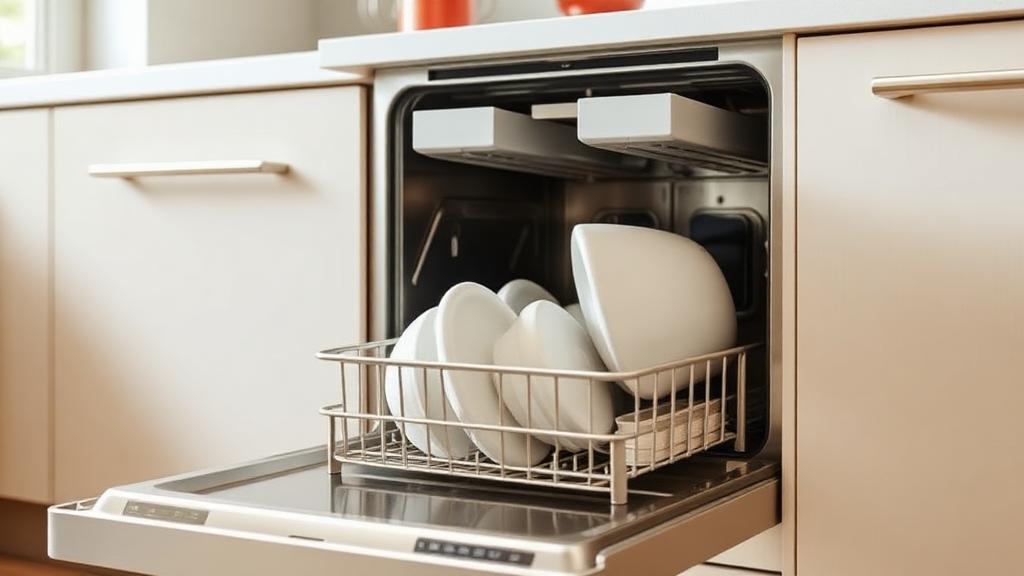
A home warranty may cover a dishwasher, but the appliance being listed is only the first step. Eligibility also depends on the dishwasher type, failed component, cause, effective date, existing-condition rules, service authorization, limits, and exclusions in the current agreement.
Do not rely on a general statement that dishwashers are “normally covered.” Read the contract issued for the property.
Confirm the dishwasher is listed
Find the covered-items schedule and declarations. Verify:
- Dishwasher category
- Built-in, portable, drawer, or countertop eligibility
- Number of units
- Property location
- Residential-use requirement
- Plan tier
- Optional coverage
- Effective date
If the agreement is unclear, request written confirmation using the full model number and installation type.
Identify the exact appliance
Record the manufacturer, complete model and serial number, installation location, purchase or approximate age, known symptoms, and prior repairs. Photograph the rating label and installation.
Additional units or specialty products may be handled differently. Do not assume coverage extends to every dishwasher at the address.
Covered item versus covered component
A contract can list “dishwasher” while excluding selected parts. Review the coverage grant and exclusions together.
Components to verify include:
- Drain and circulation pumps
- Motors
- Water inlet valve
- Heating and temperature components
- Controls and user interface
- Door latch and switches
- Tub and seals
- Spray arms
- Racks, baskets, and rollers
- Wiring
- Hoses and connections
- Filters
- Decorative panels, handles, and trim
This checklist does not mean every plan includes every component.
Covered cause
A listed part must usually fail from an eligible cause. Compare contract treatment of ordinary use, wear, defects, blockages, scale, corrosion, leaks, power events, accidents, misuse, overloading, pests, improper detergent, installation, and maintenance.
A dishwasher that will not drain can have a failed pump, blocked filter, kinked hose, plumbing restriction, installation issue, sensor problem, or control fault. The diagnosis determines which provision may apply.
Existing conditions
Review definitions of known, unknown, pre-existing, and detectable conditions. A claim filed after activation may still be disputed when symptoms began earlier.
Keep inspection reports, disclosures, prior repair invoices, photographs, and accurate symptom dates. Do not conceal a developing problem.
Effective date and waiting period
Record purchase, issue, effective, waiting-period, add-on, renewal, and expiration dates. Confirm whether the dishwasher shares the base-plan date.
A waiting-period exception does not necessarily override existing-condition, maintenance, or component exclusions.
Maintenance
Follow the model manual for filter cleaning, detergent, rinse aid, loading, spray-arm inspection, and cleaning cycles. Maintain the sink drain, air gap, or disposal connection where applicable.
Do not make unsupported claims that a missing maintenance receipt automatically causes denial. Instead, review the contract and preserve reasonable records.
Installation
Dishwasher performance depends on electrical supply, water connection, drain routing, leveling, cabinet attachment, and clearance. Recent installation or plumbing work can be relevant to a diagnosis.
Some contracts exclude failures caused by improper installation or modification. Keep installer invoices and photographs.
Safety and leakage
Stop using the appliance for burning odor, smoke, arcing, repeated breaker trips, damaged wiring, or water near electrical components. For active leakage, stop the cycle and close the accessible water valve only if safe.
Follow emergency guidance first. A claim process should not delay necessary mitigation. Document conditions and notify the administrator under the agreement.
Open the claim correctly
Unless immediate safety action is required or the contract says otherwise:
- Confirm coverage is active.
- Record symptoms and code.
- Contact the administrator.
- Obtain a claim number.
- Follow contractor-assignment rules.
- Avoid unauthorized repair.
- Request a written diagnosis.
- Retain invoices and messages.
Using an outside technician without authorization may affect reimbursement, depending on the agreement.
Service fee
Confirm when the service fee is charged and whether it applies per request, visit, appliance, trade, or issue. Ask about repeat visits, callbacks, denied diagnoses, and reassignment.
The fee may remain payable even when the claim is denied. Check the contract rather than assuming it is the only out-of-pocket cost.
Contractor access
Built-in dishwashers may need to be disconnected or removed from cabinetry. Confirm whether normal access is included and how nonstandard installation, flooring, panels, or cabinet modifications are treated.
For panel-ready or integrated products, verify local technician availability and restoration of decorative components.
Diagnosis
Ask the technician to state:
- Failed component
- Cause
- Observable evidence
- Required repair
- Safety concerns
- Related damage
- Parts availability
- Total scope
A code alone is not a diagnosis. Request written findings when eligibility depends on cause.
Coverage limits
Find per-component, per-item, per-event, annual, and aggregate limits. Ask whether diagnosis, labor, parts, shipping, tax, access, and prior claims consume the maximum.
Do not assume a headline limit equals the cash available for replacement. Some expenses may be excluded or valued under separate rules.
Repair, replacement, or cash settlement
The administrator may reserve the right to choose repair, replacement, reimbursement, or cash settlement. Review how replacement value is calculated and whether the plan promises comparable capacity or features.
Check delivery, haul-away, installation, cords, hoses, panels, cabinet work, plumbing, electrical changes, permits, code upgrades, and taxes. An approved dishwasher replacement can still leave project costs.
Resulting water damage
The appliance failure and damage to flooring, cabinets, walls, or belongings can be treated separately. Homeowners insurance, the warranty, another policy, or no coverage may apply depending on cause and documents.
Mitigate further damage safely, photograph the area, and notify relevant providers. Do not assume either contract covers the entire incident.
Denials and partial approvals
If denied or limited, request:
- Written decision
- Technician diagnosis
- Cited contract clause
- Benefit calculation
- Appeal procedure
- Deadline
Compare the diagnosis with the contract. Submit relevant maintenance, installation, inspection, and repair records. A second opinion may require advance authorization.
Compare self-funding
A repair reserve preserves technician choice and unused money but leaves the household responsible for all costs. Warranty coverage transfers selected risks while adding fees, limits, exclusions, and service rules.
Compare both options over the same period and keep emergency funds for uncovered work.
When coverage may fit
Coverage may be useful when the dishwasher is clearly listed, relevant components have meaningful limits, local service is available, and the household accepts the claim process.
It may be less useful when manufacturer coverage remains active, important parts are excluded, the unit is already failing, or replacement installation costs are largely excluded.
Purchase checklist
Before buying, confirm:
- Exact dishwasher eligibility
- Component coverage
- Effective date
- Existing-condition terms
- Maintenance and installation exclusions
- Service fee
- Limits
- Contractor process
- Repair and replacement method
- Cancellation and renewal
Save the quote and agreement.
Final guidance
A home warranty can cover an eligible dishwasher failure, but coverage is not universal. Verify the item, component, cause, date, fee, limit, authorization, and remedy in the current contract.
Treat broad coverage claims and guaranteed approval statements cautiously.
Related articles
- Dishwasher Error Codes
- Dishwasher Repair Cost Guide
- Appliance Warranty Claims
- Why Home Warranty Claims Get Denied
Disclosure: This article is informational and not legal or insurance advice. The site may earn a commission from eligible links. Commercial relationships do not determine the guidance.
Frequently asked questions
Related guides

Does a Home Warranty Cover a Refrigerator?
Learn how to verify refrigerator coverage, sealed-system terms, secondary-unit rules, service fees, limits, exclusions, and replacement methods.

Appliance Warranty vs Repair Cost: How to Decide
Compare an appliance warranty claim with direct repair or replacement using service fees, limits, exclusions, timing, technician choice, and total cost.
Are Extended Appliance Warranties Worth It? 2026 Guide
Evaluate an extended appliance warranty using price, overlap, effective dates, service fees, exclusions, limits, repair terms, and self-funding alternatives.
Disclaimer: Pricing reflects US national averages as of the publication date and varies by region, brand, and labor rates. This article is informational and does not replace professional inspection or repair advice. See our full disclaimer.